

Spring Roofing Problems to Watch for in Central Vancouver Island Homes
Spring is one of the most important times of year for Central Vancouver Island homeowners to inspect their roofs. After months of rain, wind, moisture, falling branches, moss growth, and cooler temperatures, your roof may be carrying hidden damage that is easy to miss from the ground.
For homeowners in Nanaimo, Parksville, Port Alberni, Duncan, Courtenay, Nanoose Bay, and surrounding communities, spring roofing problems are especially common because of the region’s damp coastal climate. Vancouver Island homes often deal with shaded roof areas, moss buildup, clogged gutters, tree debris, storm damage, and moisture-related wear.
The challenge is that many roofing issues start small. A lifted shingle, clogged gutter, cracked sealant, or small patch of moss may not look urgent at first. But once rainwater finds a weak point, the damage can spread into the attic, insulation, drywall, fascia, soffits, and roof structure.
Spring is the best time to catch these problems early. A seasonal roof inspection can help homeowners identify damage before it becomes a costly emergency repair. This guide explains the most common spring roofing problems to watch for in Central Vancouver Island homes and what you can do to protect your property.
Why Spring Roof Maintenance Matters on Central Vancouver Island
Spring is the transition point between winter weather and the warmer months ahead. By this time, your roof has already been exposed to months of moisture, rain, wind, and debris. Even if there was no obvious storm damage, winter conditions may have weakened parts of your roofing system.
Central Vancouver Island homes are especially vulnerable because the local environment creates ideal conditions for roofing wear. Rain, damp air, tree cover, shade, and moss-friendly surfaces can all affect how long your roof lasts.
Spring roof maintenance helps homeowners:
- Catch roof leaks early
- Remove debris before it blocks drainage
- Identify moss growth before it spreads
- Repair shingles before summer heat worsens damage
- Check gutters before heavy rain causes overflow
- Inspect flashing around chimneys, vents, and skylights
- Prevent attic moisture and mould concerns
- Protect fascia, soffits, and roof edges
- Extend the life of the roof
A roof does more than cover your home. It protects your family, belongings, insulation, electrical systems, walls, ceilings, and structure. When roofing problems are ignored, the damage can affect far more than the roof surface.
1. Moss Growth on Shingles and Roof Valleys
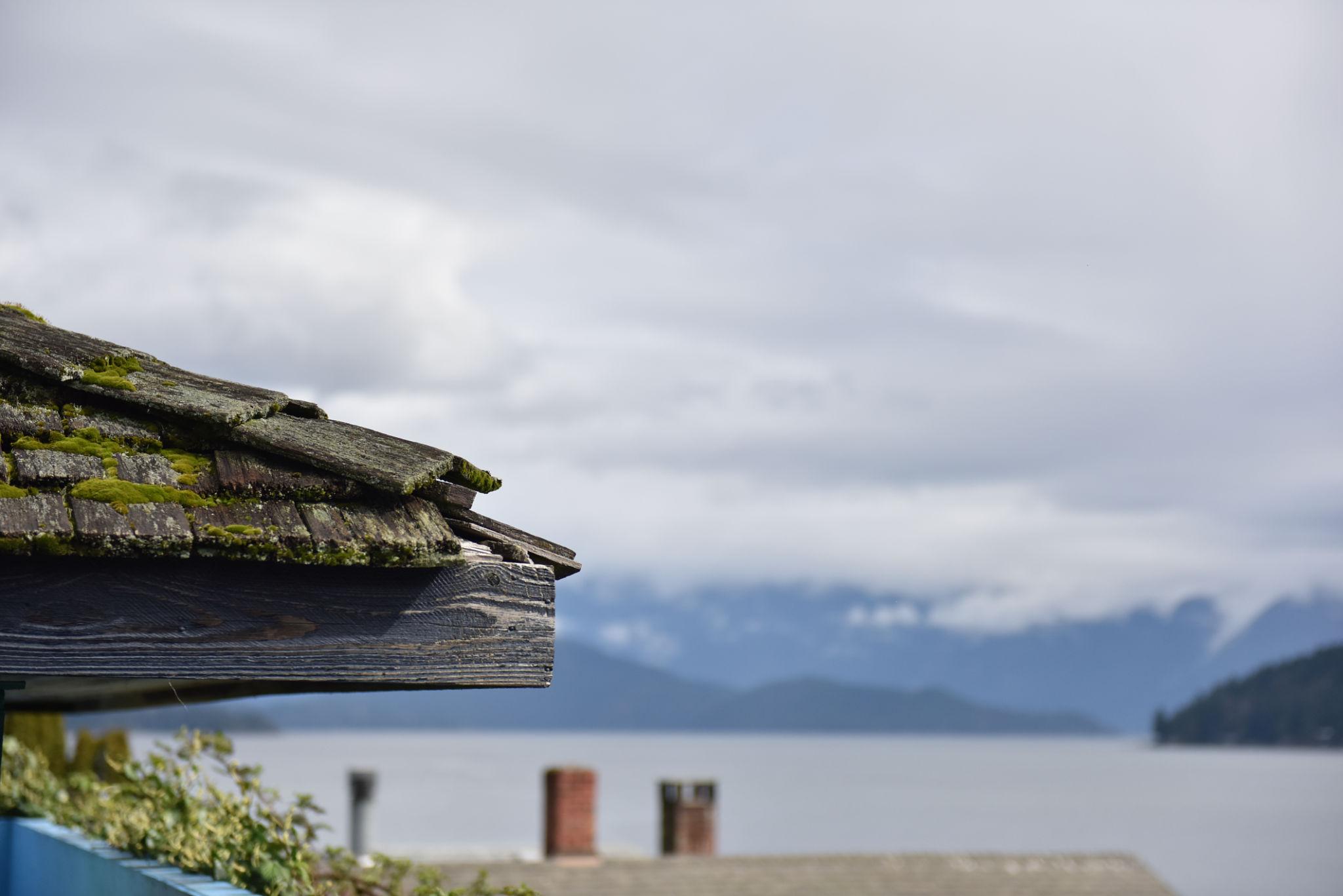
Moss is one of the most common roofing problems in Central Vancouver Island homes. The damp climate, shaded areas, and tree-covered properties create the perfect environment for moss to grow.
At first, moss may seem like a cosmetic issue. But over time, it can become a serious roofing concern.
Moss can:
- Hold moisture against shingles
- Lift shingle edges
- Slow proper drainage
- Collect in roof valleys
- Clog gutters and downspouts
- Hide damaged shingles
- Contribute to wood rot
- Increase the risk of leaks
Spring is when many homeowners begin to notice moss more clearly. After months of damp weather, moss may spread across shaded roof slopes, north-facing areas, valleys, and sections under trees.
Avoid pressure washing your roof. High-pressure washing can damage shingles, strip protective granules, and push water under roofing materials. If moss is heavy, it is best to schedule a professional roof inspection or safe moss removal service.
For Central Vancouver Island homeowners, moss should never be ignored. The earlier it is addressed, the easier it is to protect the roof from moisture-related damage.
2. Missing, Cracked, or Curling Shingles
Shingles are your roof’s first line of defence against rain, wind, and sunlight. After winter, shingles may show signs of wear that were not visible before.
Common spring shingle problems include:
- Missing shingles
- Cracked shingles
- Curling edges
- Lifted tabs
- Granule loss
- Bald spots
- Dark patches
- Exposed nail heads
- Uneven shingle lines
- Shingle pieces in gutters
Strong winds can lift shingles. Rain and moisture can weaken them. Age and UV exposure can make them brittle. Once shingles are damaged, water may be able to move underneath the surface and affect the roof deck.
Granule loss is another important warning sign. Shingle granules protect the roof from sunlight and weather exposure. If you see granules collecting in gutters, near downspouts, or along the ground, your shingles may be deteriorating.
A few damaged shingles may only require minor repairs. However, widespread curling, cracking, or missing shingles may mean the roof needs a more detailed inspection.
3. Hidden Roof Leaks
Roof leaks are one of the most stressful problems homeowners face. Unfortunately, not all leaks are obvious right away. A roof can leak for weeks or months before water appears inside the home.
Spring rain often reveals hidden leaks because water repeatedly tests vulnerable areas of the roof.
Common leak entry points include:
- Damaged shingles
- Loose flashing
- Cracked vent boots
- Skylight seals
- Chimney flashing
- Roof valleys
- Flat roof seams
- Poorly sealed roof penetrations
- Clogged gutters
- Damaged ridge caps
Inside the home, signs of a hidden leak may include:
- Brown or yellow ceiling stains
- Bubbling paint
- Peeling drywall
- Musty smells
- Damp insulation
- Water stains in the attic
- Mould growth
- Stains around skylights or chimneys
- Soft spots on ceilings
Water does not always drip directly below the leak source. It can travel along rafters, insulation, walls, or beams before becoming visible. This can make roof leaks difficult to trace without a professional inspection.
If you notice any sign of moisture, do not simply paint over the stain. The source needs to be found and repaired first.
4. Clogged Gutters and Downspouts
Gutters are essential for moving rainwater away from your roof and foundation. When they become clogged, water cannot drain properly.
After winter and early spring, gutters may be filled with:
- Leaves
- Twigs
- Moss
- Dirt
- Pine needles
- Shingle granules
- Seeds
- Small branches
- Roof debris
Clogged gutters can cause water to overflow, back up under shingles, damage fascia boards, soak soffits, stain siding, and pool near the foundation.
Signs of gutter problems include:
- Water spilling over the gutter edge
- Gutters pulling away from the home
- Leaks at gutter seams
- Sagging gutter sections
- Plants growing in gutters
- Water pooling near the foundation
- Stains on siding
- Rotting fascia boards
- Downspouts not draining
Spring is the perfect time to clean and inspect gutters. If your gutters overflow during rain, they are not doing their job. You may need cleaning, repair, re-sloping, or replacement.
A roof and gutter system work together. Even a healthy roof can develop problems if drainage is poor.
5. Damaged Flashing Around Chimneys, Vents, and Skylights
Flashing protects the areas where the roof meets another surface or opening. It is commonly installed around chimneys, skylights, vents, walls, dormers, and roof valleys.
Because flashing protects vulnerable transition points, even a small gap can allow water into the roof system.
Spring flashing problems may include:
- Loose flashing
- Rusted metal
- Cracked sealant
- Missing caulking
- Gaps around vents
- Lifted edges
- Damaged chimney flashing
- Poor skylight seals
- Water stains near roof penetrations
Flashing leaks can be tricky because they may only happen during certain types of rain. Wind-driven rain, for example, can push water into gaps that may not leak during light rainfall.
If you notice staining near a skylight, chimney, or upper wall, damaged flashing may be the cause. A professional roofer can check whether the flashing needs to be resealed, repaired, or replaced.
Temporary caulking is not always enough. Proper flashing repair is important for long-term leak prevention.
6. Roof Valley Debris and Drainage Problems
Roof valleys are areas where two roof slopes meet. They carry a large amount of water during rainfall, making them one of the most important drainage areas on the roof.
In spring, roof valleys may be blocked by:
- Leaves
- Moss
- Pine needles
- Twigs
- Dirt
- Shingle granules
- Small branches
When valleys are blocked, water may slow down, pool, or move sideways under shingles. This can increase the risk of leaks.
Warning signs of roof valley problems include:
- Visible debris buildup
- Moss growing in the valley
- Damaged shingles near the valley
- Rusted valley flashing
- Water stains inside the attic
- Leaks after heavy rain
- Granules collecting in valley areas
Valleys should be cleaned carefully. Walking in valleys or scraping debris incorrectly can damage the roofing materials. If the roof is steep, wet, or mossy, hire a professional instead of attempting it yourself.
7. Fascia and Soffit Damage
Fascia and soffits are located along the edge of the roof. They help protect the roofline, support gutters, and contribute to attic ventilation.
Spring is a good time to inspect these areas because gutter overflow and winter moisture often affect roof edges first.
Look for:
- Peeling paint
- Rotting wood
- Soft spots
- Water stains
- Sagging gutters
- Damaged soffit panels
- Pest entry points
- Loose trim
- Stains below gutters
- Mould or mildew
If gutters have been overflowing, fascia boards may begin to rot. If soffits are damaged or blocked, attic ventilation may suffer.
Fascia and soffit problems should be repaired early. If ignored, they can lead to gutter failure, pest issues, ventilation problems, and roof edge damage.
8. Flat Roof and Low-Slope Roofing Issues
Some Central Vancouver Island homes have flat or low-slope roofing areas over garages, additions, decks, porches, or commercial sections. These areas require special attention because they do not shed water as quickly as steep-slope roofs.
Spring problems on flat or low-slope roofs may include:
- Ponding water
- Cracks in the membrane
- Blisters or bubbles
- Open seams
- Loose edges
- Drain blockages
- Soft spots
- Punctures
- Debris buildup
- Ceiling stains below the flat roof area
Ponding water is a major concern. If water sits on a roof for too long, it can weaken the membrane and increase the chance of leaks.
Spring is an ideal time to inspect these areas before summer heat expands existing cracks or seams. A professional roofer can determine whether the membrane needs patching, resealing, or more extensive repair.
9. Attic Moisture and Poor Ventilation
Your attic can reveal roofing problems that are not visible from outside. After a wet winter, attic moisture may show signs of leaks, condensation, or ventilation issues.
Check your attic for:
- Damp insulation
- Water stains on wood
- Dark streaks on roof decking
- Musty odours
- Mould growth
- Rusted nail tips
- Condensation
- Poor airflow
- Daylight coming through gaps
- Wet areas near vents or chimneys
Attic moisture can come from roof leaks, poor ventilation, blocked soffit vents, or condensation. No matter the cause, moisture inside the attic should be addressed quickly.
Poor ventilation can also shorten the life of your roof. When heat and moisture become trapped, they can affect shingles, insulation, and wood framing.
If your attic feels damp, smells musty, or shows visible stains, schedule a professional roof inspection.
10. Storm and Wind Damage
Central Vancouver Island homes can experience wind and storm damage during the colder months. Even if a storm did not seem severe, it may have loosened shingles, shifted flashing, or damaged gutters.
Spring is the right time to look for signs of storm damage, including:
- Missing shingles
- Lifted shingles
- Fallen branches
- Dented gutters
- Loose flashing
- Damaged ridge caps
- Debris on the roof
- Exposed underlayment
- Broken roof vents
- Sudden leaks after rainfall
Storm damage is not always obvious from the ground. A roof may look intact, but small lifted areas can allow water to enter during future rain.
If you suspect storm damage, book an inspection before the issue becomes worse.
11. Tree Debris and Overhanging Branches
Many Central Vancouver Island homes are surrounded by trees. While trees add beauty and shade, they can also create roofing problems.
Overhanging branches can:
- Drop leaves and needles into gutters
- Scratch shingles during wind
- Break and damage the roof
- Keep roof areas shaded and damp
- Encourage moss growth
- Give pests access to the roof
- Block sunlight and airflow
Spring is a good time to trim branches that are touching or hanging too close to the roof. This helps reduce debris, improve airflow, and allow roof surfaces to dry faster after rain.
For large branches or trees near power lines, hire a professional tree service.
12. Interior Warning Signs Homeowners Should Not Ignore
Sometimes the first sign of a roofing problem appears inside the home.
Watch for:
- Ceiling stains
- Bubbling paint
- Peeling drywall
- Damp walls
- Musty smells
- Mould in upper corners
- Stains around skylights
- Water marks near chimneys
- Soft ceiling spots
- Dripping during rain
Even if a stain appears small, it may point to a larger issue above the ceiling. Water can travel before becoming visible, so the source may not be directly above the stain.
Do not wait until the leak gets worse. Spring is the right time to investigate and repair the issue.
Why Homeowners Should Avoid DIY Roof Repairs
It is helpful to inspect your roof from the ground, but climbing onto the roof can be dangerous. Roofs may be slippery from moss, moisture, or debris. Steep slopes and uneven surfaces increase the risk of falls.
DIY roof repairs can also create more problems if done incorrectly. For example:
- Pressure washing can damage shingles
- Incorrect caulking may not stop leaks
- Walking on fragile shingles can cause cracking
- Poor flashing repairs may allow more water in
- Gutter repairs may fail if slope is wrong
- Moss removal can damage roofing materials
A professional roofer has the tools, training, and experience to inspect and repair your roof safely.
Homeowners can safely check from the ground, monitor interior signs, clean low and accessible debris when safe, and call a professional for roof-level work.
When to Schedule a Professional Roof Inspection
You should schedule a professional roof inspection if you notice:
- Missing or damaged shingles
- Moss covering large roof areas
- Water stains inside
- Overflowing gutters
- Damp attic insulation
- Loose flashing
- Skylight leaks
- Chimney leaks
- Sagging roof areas
- Flat roof ponding
- Fascia rot
- Storm damage
- A roof that has not been inspected in years
A professional inspection can identify the source of the problem and recommend the right repair. Some issues may need immediate attention. Others can be monitored or planned for later.
The key is knowing what is happening before damage spreads.
Spring Roofing Checklist for Central Vancouver Island Homes
Use this checklist to help identify potential roofing problems this spring:
- Inspect shingles from the ground
- Look for missing, lifted, or cracked shingles
- Check for moss and algae buildup
- Watch gutters during rainfall
- Make sure downspouts drain properly
- Look for debris in roof valleys
- Check flashing around vents and chimneys
- Inspect fascia and soffits
- Trim overhanging branches
- Check attic moisture and ventilation
- Look for interior ceiling stains
- Review flat or low-slope roof areas
- Schedule a professional inspection if needed
This simple checklist can help you catch issues before they become more expensive.
How Spring Roof Maintenance Saves Money
Spring roof maintenance can save homeowners money by preventing small problems from becoming large repairs.
It can help you avoid:
- Emergency leak repairs
- Interior drywall damage
- Mould remediation
- Insulation replacement
- Rotten roof decking
- Fascia and soffit replacement
- Foundation drainage issues
- Premature roof replacement
Preventive care is usually more affordable than reactive repairs. A small shingle repair or gutter fix today may prevent thousands of dollars in damage later.
Why Local Roofing Knowledge Matters
Central Vancouver Island homes face specific roofing challenges. The climate is damp, moss growth is common, and many properties are surrounded by trees. Local roofers understand these conditions and know what problems to look for.
A local roofing company can assess your roof based on:
- Regional rainfall patterns
- Moss-prone areas
- Coastal moisture exposure
- Common local roof materials
- Tree debris issues
- Wind damage risks
- Drainage concerns
- Seasonal maintenance needs
For homeowners in Nanaimo, Parksville, Port Alberni, Duncan, Courtenay, and surrounding areas, local experience matters.
Your roof should be maintained for the climate it actually faces.
Final Thoughts: Catch Spring Roofing Problems Early
Spring is the perfect time for Central Vancouver Island homeowners to inspect their roof and address problems before they become costly repairs.
Moss growth, damaged shingles, clogged gutters, flashing issues, roof valley debris, attic moisture, storm damage, and hidden leaks are all common problems to watch for after winter.
The sooner these issues are identified, the easier they are to repair.
Start with a safe visual inspection from the ground. Look for visible damage, gutter overflow, moss buildup, and signs of drainage problems. Check your attic and interior ceilings for moisture. Trim branches, clear accessible debris, and monitor areas that look concerning.
If you notice signs of damage, schedule a professional roof inspection. A qualified roofer can identify the source of the problem, recommend the right repair, and help protect your home for the season ahead.
If your Central Vancouver Island home is showing signs of spring roofing problems, contact RoofPro for a professional roof inspection, repair guidance, and trusted local roofing support.
FAQs About Spring Roofing Problems in Central Vancouver Island Homes
What are the most common spring roofing problems on Central Vancouver Island?
Common problems include moss growth, clogged gutters, damaged shingles, loose flashing, hidden leaks, roof valley debris, attic moisture, storm damage, and fascia or soffit issues.
Why does moss grow so easily on Vancouver Island roofs?
Moss grows well in damp, shaded areas. Central Vancouver Island’s moisture, tree cover, and shaded roof sections create ideal conditions for moss growth.
Can clogged gutters cause roof leaks?
Yes. Clogged gutters can cause water to overflow or back up along the roof edge, which may damage fascia, soffits, siding, and roofing materials.
How do I know if my roof has hidden leaks?
Signs include ceiling stains, musty smells, damp attic insulation, bubbling paint, mould growth, water marks near skylights, and dark stains on roof decking.
Should I pressure wash moss off my roof?
No. Pressure washing can damage shingles, remove protective granules, and force water under roofing materials. Professional moss removal is safer.
How often should I schedule a roof inspection?
Most homeowners should schedule a roof inspection at least once or twice a year, especially in spring and fall. You should also inspect after major storms or visible damage.
When should I call a professional roofer?
Call a professional if you notice leaks, missing shingles, heavy moss growth, overflowing gutters, flashing damage, attic moisture, sagging areas, or storm damage.