

Getting Your Roof Ready for Summer: Repairs, Gutters, and Shingle Checks
Summer may feel like the season when your roof finally gets a break from heavy rain, wind, and winter moisture. But before the warmer weather settles in, your roof still needs attention. For homeowners in Nanaimo, Parksville, Port Alberni, Duncan, Courtenay, Nanoose Bay, and across Central Vancouver Island, preparing your roof for summer is one of the smartest ways to prevent leaks, protect your home, and extend the life of your roofing system.
After months of wet weather, your roof may be carrying hidden damage. Shingles may be cracked, curling, or missing. Gutters may be clogged with moss, leaves, twigs, and shingle granules. Flashing around vents, skylights, and chimneys may have loosened. Roof valleys may be full of debris. Moss may have spread across shaded areas. Even if your roof looks fine from the ground, small issues can develop quietly beneath the surface.
That is why late spring and early summer are ideal times to inspect your roof, complete minor repairs, clean gutters, and check shingles before summer heat and dry weather put new stress on your roofing materials.
Getting your roof ready for summer is not only about improving curb appeal. It is about protecting your home from water damage, reducing emergency repair costs, and making sure your roof continues to do its job.
Why Summer Roof Preparation Matters
Your roof works year-round to protect your home from rain, wind, moisture, falling branches, sun exposure, and changing temperatures. By the time summer approaches, your roof has already been through months of seasonal stress.
On Vancouver Island, winter and spring conditions can leave behind several common roofing concerns, including:
- Loose or missing shingles
- Moss and algae buildup
- Clogged gutters
- Water stains in the attic
- Damaged flashing
- Roof valley debris
- Fascia and soffit moisture damage
- Flat roof ponding
- Cracked sealant around vents
- Gutter overflow
- Early signs of roof leaks
When summer arrives, heat and UV exposure can make existing problems worse. Shingles that are already worn or brittle may crack further. Poor attic ventilation can trap heat and moisture. Flat roof membranes may expand. Gutters that were never cleaned may remain blocked, causing future drainage issues when summer storms arrive.
A little preparation now can help prevent bigger repairs later.
Start With a Safe Ground-Level Roof Inspection
The first step in getting your roof ready for summer is a visual inspection from the ground. You do not need to climb onto your roof to spot many warning signs. In fact, walking on a roof without the right safety equipment can be dangerous, especially if the surface is steep, damp, mossy, or aging.
Walk around your home and look carefully at the roof from different angles. Use binoculars or your phone camera zoom if you need a closer view.
Look for:
- Missing shingles
- Lifted shingle edges
- Curling shingles
- Cracked shingles
- Dark streaks or stains
- Moss patches
- Sagging areas
- Loose flashing
- Debris in valleys
- Branches touching the roof
- Gutters pulling away from the fascia
- Downspouts that look disconnected
- Shingle granules near downspouts
This simple check can help you identify visible problems before they turn into larger issues. If anything looks concerning, it is best to schedule a professional roof inspection instead of trying to climb up and investigate yourself.
Check for Missing, Cracked, or Curling Shingles
Shingles are one of the most important parts of your roofing system. They protect your roof deck from rain, wind, and sun exposure. When shingles become damaged, water can move underneath and cause hidden problems.
Before summer begins, inspect your shingles for signs of wear.
Common shingle problems include:
- Missing shingles
- Cracked shingles
- Curling edges
- Lifted tabs
- Bald spots from granule loss
- Dark patches
- Exposed nail heads
- Uneven shingle lines
- Shingle pieces in gutters or on the ground
Missing or lifted shingles are especially important to address quickly. Even one damaged area can give water a path into the roof system. If wind has lifted the edge of a shingle, rain can move underneath it. If shingles are cracked or brittle, summer heat may worsen the damage.
Granule loss is another warning sign. The granules on shingles help protect them from UV rays and weather exposure. If you notice a lot of granules in your gutters, at the bottom of downspouts, or around your home’s foundation, your shingles may be wearing down.
A few isolated shingle repairs may be simple. But if damage is widespread, your roof may need a more detailed inspection to determine whether repair or replacement is the better option.
Do Not Ignore Small Roof Repairs
Small roof problems are easy to delay. A lifted shingle, minor leak, or small patch of moss may not seem urgent. But roofing issues rarely fix themselves. In many cases, they become more expensive the longer they are left alone.
Common minor roof repairs before summer may include:
- Replacing missing shingles
- Repairing lifted shingles
- Sealing small flashing gaps
- Fixing cracked vent boots
- Clearing roof valleys
- Reattaching loose gutters
- Repairing damaged fascia
- Addressing early moss buildup
- Checking skylight seals
- Fixing minor flat roof membrane issues
Completing these repairs before summer helps protect your home from sudden leaks during heavy rain. It also gives your roof a better chance of handling heat, dry weather, and seasonal changes.
A small repair today can prevent water damage, insulation problems, mould growth, and structural issues later.
Clean Your Gutters Before Summer
Gutters are a key part of your roof’s drainage system. Their job is to collect water from the roof and move it away from your home. When gutters are clogged, rainwater can overflow, back up, or drain too close to the foundation.
After winter and spring, gutters may be filled with:
- Leaves
- Twigs
- Moss
- Pine needles
- Dirt
- Shingle granules
- Seeds
- Roof debris
- Small branches
If this debris is not cleared, your gutters may fail during the next heavy rainfall. Water may spill over the sides, run behind the gutter, damage fascia boards, or pool near the foundation.
Before summer, check your gutters for:
- Clogs
- Sagging sections
- Leaking seams
- Rust or cracks
- Loose fasteners
- Poor slope
- Disconnected downspouts
- Water stains under the gutter line
- Plants or moss growing inside the gutter
Clean gutters help protect more than just your roof. They also protect your siding, landscaping, foundation, basement, fascia, and soffits.
If your gutters are difficult to reach or located on a tall section of your home, call a professional. Gutter cleaning can be dangerous without proper ladders, tools, and safety precautions.
Make Sure Downspouts Drain Properly
Cleaning your gutters is only half the job. Your downspouts also need to move water away from your home.
A blocked or poorly positioned downspout can cause water to collect near your foundation. This may lead to soil erosion, basement moisture, landscape damage, or foundation concerns over time.
Before summer, check that:
- Downspouts are not clogged
- Water flows freely through each downspout
- Downspouts are connected securely
- Extensions direct water away from the foundation
- Water is not pooling near the home
- Downspouts are not crushed or damaged
- Splash blocks are properly positioned
During rainfall, watch how water moves around your home. If water pours over the gutter edge, pools near the foundation, or leaks from gutter seams, your drainage system needs attention.
A properly functioning gutter and downspout system helps prevent water from sitting where it can cause damage.
Inspect Flashing Around Vents, Chimneys, and Skylights
Flashing is used around roof openings and transitions to keep water out. It is commonly found around chimneys, skylights, plumbing vents, walls, dormers, roof valleys, and other roof penetrations.
Because flashing protects vulnerable areas, it should always be checked before summer.
Look for:
- Rusted flashing
- Loose metal edges
- Cracked sealant
- Gaps around vents
- Missing caulking
- Damaged chimney flashing
- Water stains near skylights
- Lifted flashing around walls
- Deteriorated vent boots
Flashing problems are a common source of roof leaks. Sometimes the leak does not appear directly below the problem area because water can travel along rafters or under roofing materials before showing up inside the home.
If you notice stains around skylights, chimneys, or upper walls, flashing could be the cause. A professional roofer can determine whether the flashing needs resealing, repair, or replacement.
Clear Roof Valleys and Debris Areas
Roof valleys carry a large amount of water during rainfall. These are the areas where two roof slopes meet. If valleys are blocked by leaves, moss, branches, or dirt, water may not flow properly toward the gutters.
This can create a higher risk of leaks.
Before summer, check roof valleys for:
- Leaves
- Pine needles
- Moss
- Branches
- Shingle granules
- Dirt buildup
- Damaged shingles
- Rusted valley flashing
- Signs of water pooling
Homes surrounded by trees need extra attention because debris can collect quickly. If debris sits in a valley for too long, it can trap moisture and increase roof deterioration.
Do not walk onto the roof to clear valleys if it is unsafe. A professional roofer can remove debris without damaging shingles or flashing.
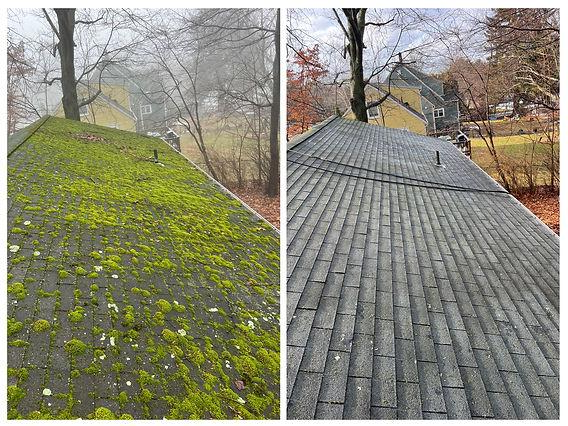
Watch for Moss and Algae Growth
Moss is common on Vancouver Island because of the damp climate and shaded roof conditions. While moss may seem like a cosmetic issue, it can become a serious roofing problem over time.
Moss can:
- Trap moisture against shingles
- Lift shingle edges
- Slow water drainage
- Clog gutters
- Add weight to roof surfaces
- Hide damaged roofing materials
- Contribute to wood rot
- Increase leak risk
Before summer, inspect shaded roof areas, north-facing slopes, roof valleys, and areas under trees. These spots are more likely to develop moss and algae growth.
Avoid pressure washing your roof. High-pressure washing can damage shingles, remove protective granules, and force water under roofing materials. If moss growth is heavy, schedule professional moss removal or roof cleaning.
Treating moss early can help protect your roof and keep it looking cleaner throughout the summer.
Check the Attic for Hidden Moisture
Your attic can reveal roof problems that are not visible from outside. Before summer, it is helpful to check the attic for signs of leaks, ventilation issues, and moisture buildup.
Look for:
- Water stains on wood
- Damp insulation
- Musty smells
- Mould growth
- Dark streaks on roof decking
- Rusted nails
- Condensation
- Daylight coming through gaps
- Wet spots near vents or chimneys
- Poor airflow
A roof leak may not immediately show up as a ceiling drip. Insulation can absorb moisture, hiding the problem until damage becomes more serious. Attic moisture can also point to ventilation issues, which may affect roof performance during summer heat.
Good ventilation helps manage heat and moisture. Poor ventilation can cause heat buildup, condensation, mould concerns, and premature shingle wear.
If your attic smells musty, feels damp, or shows signs of water damage, book a professional inspection.
Prepare Flat and Low-Slope Roof Areas
If your home has a flat roof, low-slope section, garage roof, patio cover, or addition, these areas need special attention before summer.
Flat and low-slope roofs depend heavily on proper drainage and membrane condition. Since water does not run off as quickly as it does on a steep roof, small issues can become leaks.
Check flat roof areas for:
- Ponding water
- Cracks
- Blisters or bubbles
- Open seams
- Loose edges
- Drain blockages
- Soft spots
- Punctures
- Debris buildup
- Stains on ceilings below
Summer heat can expand existing membrane weaknesses. If there are cracks, bubbles, or seams beginning to separate, repairs should be completed before the problem spreads.
A professional roofer can assess whether the membrane needs patching, resealing, or more extensive work.
Inspect Fascia, Soffits, and Roof Edges
Fascia and soffits protect the edges of your roof and support attic ventilation. They are also closely connected to gutter performance.
If gutters have been overflowing or leaking, fascia boards may show signs of water damage.
Before summer, inspect roof edges for:
- Peeling paint
- Rotting wood
- Soft spots
- Sagging gutters
- Stains under gutters
- Damaged soffit panels
- Pest entry points
- Loose trim
- Rusted drip edge
- Water marks
Damaged fascia and soffits can lead to bigger issues if ignored. Water-damaged fascia may not hold gutters securely. Damaged soffits may reduce ventilation or allow pests into attic spaces.
Fixing roof edge problems early helps protect your roof structure and improve the overall health of your home.
Trim Overhanging Branches
Trees can provide shade and beauty, but branches hanging over your roof can create several problems.
Overhanging branches can:
- Drop leaves and needles into gutters
- Scratch shingles during wind
- Break and damage the roof
- Keep roof areas shaded and damp
- Encourage moss growth
- Give pests access to the roof
- Block sunlight and airflow
Before summer, trim branches that are touching or hanging too close to the roof. This helps improve airflow and allows roof surfaces to dry more quickly after rain.
For large branches or trees near power lines, hire a professional tree service. Do not attempt risky trimming work yourself.
Look for Interior Warning Signs
Roof problems are not always visible from outside. Sometimes the first warning appears inside the home.
Before summer, check your interior for:
- Ceiling stains
- Bubbling paint
- Peeling drywall
- Musty odours
- Damp spots near walls
- Stains around skylights
- Water marks near chimneys
- Mould in upper corners
- Soft ceiling areas
These signs may indicate a hidden leak or moisture problem. Even if the stain is small or dry, it should still be investigated. It may become active again during the next rainfall.
Do not simply paint over water stains without finding the source. The roof issue needs to be repaired first.
Why Summer Heat Can Make Existing Roof Problems Worse
Summer weather may feel easier on your roof than winter rain, but heat and sun exposure can still create stress.
Summer heat can:
- Dry out older shingles
- Make brittle shingles crack
- Expand flat roof materials
- Worsen existing sealant cracks
- Increase attic heat buildup
- Highlight poor ventilation
- Accelerate wear on already damaged areas
If your roof already has winter damage, summer can make those issues worse. That is why spring and early summer repairs are important.
A roof that is clean, repaired, and properly draining is better prepared to handle seasonal changes.
When to Schedule a Professional Roof Inspection
You should schedule a professional inspection if you notice:
- Missing or damaged shingles
- Moss covering large roof areas
- Overflowing gutters
- Water stains inside
- Damp attic insulation
- Sagging roof areas
- Loose flashing
- Skylight leaks
- Chimney leaks
- Flat roof ponding
- Fascia damage
- A roof that has not been inspected in years
A professional inspection gives you a clearer understanding of your roof’s condition. It can help you decide what needs immediate repair, what can be monitored, and what may need replacement in the future.
For Vancouver Island homeowners, working with a local roofing company is especially helpful because local roofers understand the region’s climate, moisture levels, moss growth, and seasonal roofing concerns.
Summer Roof Preparation Checklist
Use this checklist to get your roof ready for summer:
- Inspect shingles from the ground
- Look for missing, curling, or cracked shingles
- Clean gutters and downspouts
- Check drainage around the foundation
- Inspect flashing around vents and chimneys
- Look for moss and algae growth
- Clear roof valleys and debris areas
- Trim overhanging branches
- Check attic moisture and ventilation
- Inspect fascia and soffits
- Review flat or low-slope roof areas
- Watch for interior water stains
- Schedule professional repairs if needed
This checklist can help you stay ahead of roofing problems before they become more serious.
Why Preventive Roof Maintenance Saves Money
Preventive roof maintenance is one of the best ways to protect your home and reduce long-term costs.
It can help you:
- Avoid emergency repairs
- Prevent interior water damage
- Extend roof lifespan
- Improve gutter performance
- Reduce moss-related deterioration
- Protect attic insulation
- Maintain home value
- Avoid foundation drainage issues
- Plan repairs before they become urgent
Roof repairs are usually less expensive when problems are found early. Waiting until water is dripping into your home can lead to higher costs and more extensive damage.
A proactive approach gives you control.
Why Local Roof Care Matters on Vancouver Island
Vancouver Island homes face unique roofing conditions. Rain, wind, shade, moss, tree debris, coastal air, and seasonal moisture all affect how a roof performs.
This is why local roof maintenance matters. A roof in Nanaimo or Central Vancouver Island may need different care than a roof in a drier climate.
Local roof preparation should focus on:
- Moisture control
- Moss prevention
- Gutter drainage
- Shingle condition
- Flashing integrity
- Attic ventilation
- Tree debris management
- Seasonal inspections
Getting your roof ready for summer is not just a one-time task. It is part of a year-round plan to keep your home protected.
Final Thoughts: Prepare Your Roof Before Summer Problems Start
Getting your roof ready for summer is one of the smartest maintenance steps a homeowner can take. After months of rain, wind, moss growth, and debris buildup, your roof deserves a careful inspection before warmer weather arrives.
Start by checking your roof safely from the ground. Look for damaged shingles, clogged gutters, moss, loose flashing, roof valley debris, and signs of interior moisture. Clean your gutters, check downspouts, trim branches, and pay close attention to attic conditions.
If you notice anything concerning, schedule a professional inspection before the issue becomes more expensive.
A well-maintained roof protects your home, improves drainage, prevents leaks, and helps extend the life of your roofing system.
If your roof needs repairs, gutter service, shingle checks, or a professional inspection before summer, contact RoofPro and make sure your Vancouver Island home is ready for the season ahead.
FAQs About Getting Your Roof Ready for Summer
When should I prepare my roof for summer?
Late spring and early summer are ideal times to inspect your roof, clean gutters, check shingles, and complete minor repairs before heat and seasonal weather make existing problems worse.
What roof problems should I look for before summer?
Look for missing shingles, curling shingles, moss growth, clogged gutters, loose flashing, attic moisture, roof valley debris, and water stains inside your home.
Why should gutters be cleaned before summer?
Clean gutters help move rainwater away from your roof and foundation. Clogged gutters can cause overflow, fascia damage, soffit problems, roof edge leaks, and foundation moisture.
Can summer heat damage my roof?
Yes. Summer heat and UV exposure can worsen existing shingle damage, dry out older materials, crack sealants, and increase attic heat buildup if ventilation is poor.
Should I climb onto my roof to inspect it?
No. Homeowners should inspect from the ground using binoculars or a phone camera zoom. A professional roofer should handle roof-level inspections and repairs.
How do I know if my shingles need repair?
Signs include missing shingles, cracked shingles, curling edges, granule loss, lifted tabs, dark patches, and shingle pieces in gutters or around the home.
When should I call a professional roofer?
Call a professional if you notice leaks, damaged shingles, heavy moss, overflowing gutters, flashing problems, damp attic insulation, sagging areas, or if your roof has not been inspected recently.