

Roofing has been around for thousands of years, but the industry looks nothing like it did even a decade ago. Materials, standards, and climate realities have changed so quickly that many homeowners still rely on assumptions that no longer apply. Today, a roof is more than a protective layer, it’s a system engineered for efficiency, durability, and long-term performance.
Below are ten modern roofing facts that every homeowner should understand in 2025. They’re simple, practical, and grounded in how today’s roofs actually work.
1. Where You Live Determines Everything
A roof is shaped by climate before anything else. Dry regions benefit from materials like tile that resist heat, while coastal and rainy climates rely on shingles built to withstand moisture, salt, and wind. In snowy regions, a steep gable roof helps shed weight, while flatter designs are used in areas with low rainfall. Climate isn’t a preference; it’s the foundation of proper roofing.
2. A Roof Is More Than Shingles
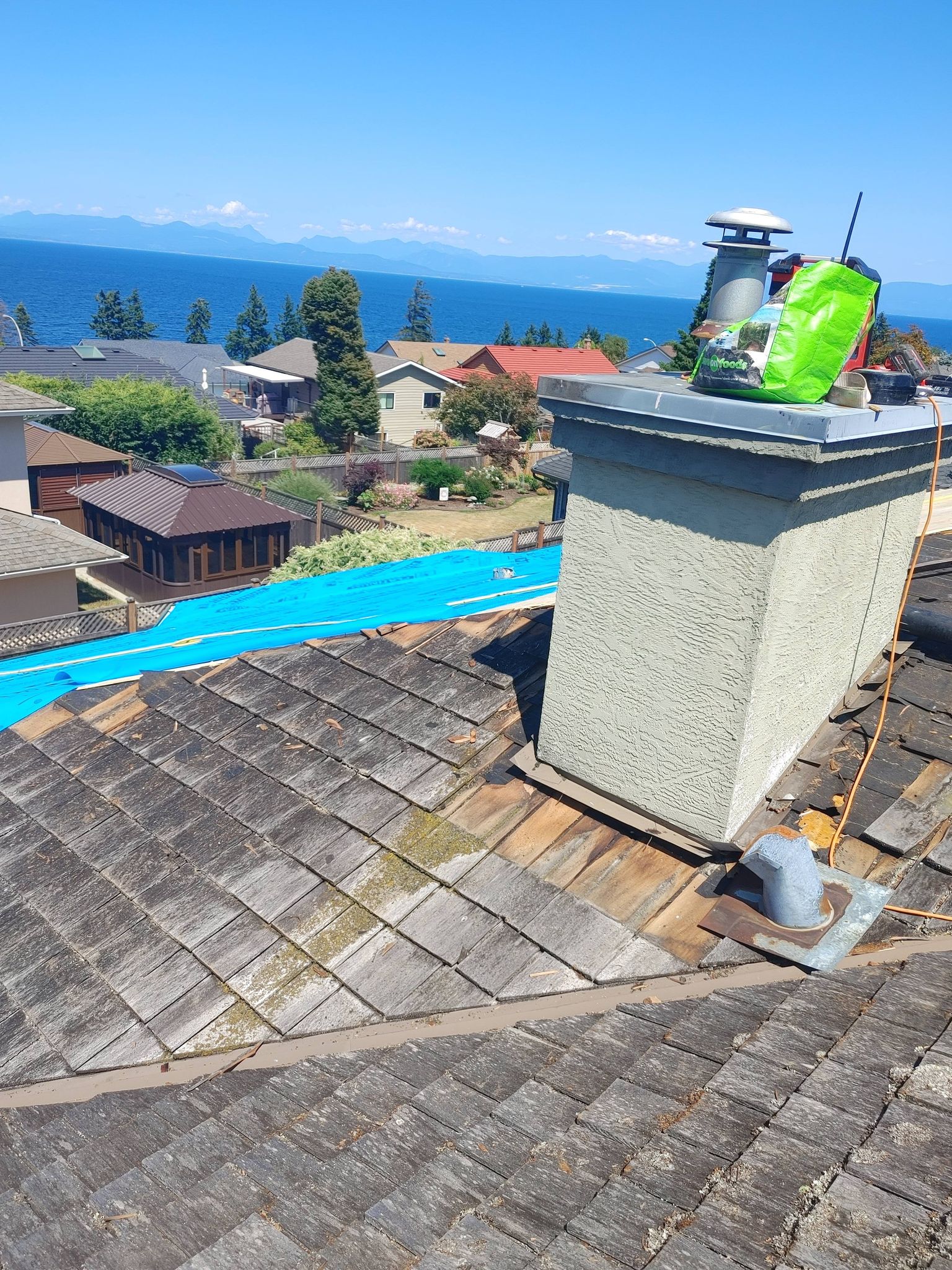
What you see from the street is only the surface. Beneath the outer layer is a complete system: decking that supports the structure, membranes that stop moisture, flashing that directs water, and ventilation that keeps the attic balanced. A strong roof is not one material; it’s the performance of the entire system working together.
3. Modern Roofing Technology Extends Lifespan Dramatically
Today’s premium shingles and membranes are engineered with UV shields, impact-resistant layers, and reflective coatings. These advancements slow wear, reduce heat absorption, and can extend the lifespan of a roof by years. High-quality roofs in 2025 last longer and perform better than anything available two decades ago.
4. Roofs Need Proper Ventilation to Survive
A roof “breathes” through intake and exhaust vents that regulate heat and moisture. Without this airflow, warm air becomes trapped, humidity rises, and materials begin to deteriorate. Ventilation protects shingles, insulation, and even the home’s framing, making it one of the most important and misunderstood parts of the entire system.
5. Roofing Affects Energy Bills More Than You Think
A ventilated, well-designed roof moderates indoor temperature by letting heat escape in summer and reducing moisture in winter. This reduces strain on HVAC systems and keeps rooms more stable year-round. In many homes, better roofing equals lower monthly bills.
6. Your Roof Can Be Environmentally Smart
Modern “cool roof” technology reflects sunlight instead of absorbing it. This keeps the home cooler, reduces energy use, and lowers emissions, a small design choice that creates measurable environmental impact. Even traditional roofs can be made greener by choosing materials with recycled content or longer lifespans.
7. Climate Zones Now Influence Roofing Codes
Many regions now require roofing materials based on local risk. Wildfire-prone areas need fire-rated materials, coastal environments require corrosion resistance, and northern climates use products designed for snow load and freeze-thaw cycles. Modern roofing is regulated by climate more than any other factor.
8. Bad Roofs Damage Resale Value
A worn or leaking roof immediately lowers a home’s market appeal. Visible damage signals expensive repairs and raises doubts about the condition of the rest of the home. Replacing or restoring a roof before selling is one of the most reliable ways to protect resale value and build buyer confidence.
9. Roof Longevity Depends on Materials and Care
Some roofs last 20 years. Others last 50. A few can last a century. The difference comes from material quality, installation standards, and routine maintenance. A high-quality roof is a strategic investment, one that protects the home, improves efficiency, and avoids costly future repairs.
10. Flat Roofs Aren’t Actually Flat
Even the “flattest” roofs have a subtle slope that guides water toward drains or edges. This nearly invisible incline prevents pooling and protects against leaks. The engineering may be simple, but it’s one of the most important details in modern roof design.
Closing Thoughts
A roof shapes the safety, efficiency, and long-term performance of a home more than most people realize. Understanding how modern roofing works, and what affects its lifespan, empowers homeowners to make decisions that protect both their property and their budget. In 2025, roofing is no longer just construction. It’s a long-term strategy for home health.