

Why Spring Is the Best Time to Schedule a Roof Inspection in Nanaimo
Spring is one of the most important times of year for Nanaimo homeowners to check the condition of their roof. After months of rain, wind, moisture, falling branches, moss growth, and fluctuating temperatures, your roof may have gone through more stress than you realize.
For many homeowners, roof problems are easy to ignore until there is a visible leak, ceiling stain, missing shingle, or overflowing gutter. But by the time damage becomes obvious inside the home, the issue may have already spread beneath the surface. Water can move under shingles, behind flashing, into attic insulation, across roof decking, and down into walls long before it appears as a drip in your living room.
That is why spring is the best time to schedule a professional roof inspection in Nanaimo.
Nanaimo’s coastal climate creates the perfect conditions for roof wear. Heavy rainfall, damp air, wind exposure, tree debris, shaded roof areas, and moss growth can all affect the performance and lifespan of your roof. A spring inspection gives homeowners the opportunity to identify issues early, repair minor damage, clean problem areas, and prepare the roof for the warmer, drier months ahead.
RoofPro provides roofing inspections, repairs, installations, gutters, fibreglass shingles, metal roofing, cedar roofing, torch-on and membrane roofing, and structural repairs across Nanaimo and Central Vancouver Island. Their website also notes that they provide professional roof inspections with detailed reporting and images for homeowners’ insurance claims.
For homeowners who want to protect their property, reduce repair costs, and extend the life of their roof, spring is the ideal season to take action.
Why Spring Matters for Roof Maintenance
Spring sits at the perfect point between winter weather and summer heat. Your roof has already been tested by months of wet, cold, and windy conditions, but you still have time to fix problems before summer sun, dry weather, or future storms make them worse.
During winter and early spring, roofs in Nanaimo can experience:
- Heavy rain exposure
- Moss and algae growth
- Clogged gutters
- Loose or damaged shingles
- Flashing issues
- Drainage problems
- Tree debris buildup
- Moisture trapped in shaded areas
- Wind-related damage
- Attic condensation
Many of these problems start small. A lifted shingle, cracked vent boot, blocked gutter, or patch of moss may not seem urgent at first. But when water is involved, even a small weakness can become expensive.
BC Housing notes that moss can hold moisture on a roof, interfere with drainage, and accelerate the deterioration of roofing components. This is especially relevant for Vancouver Island homeowners because damp, shaded, tree-covered roof areas are common across the region.
Spring gives you the chance to catch these issues while they are still manageable.
A Spring Inspection Helps Find Hidden Winter Damage
One of the biggest reasons to schedule a roof inspection in spring is to uncover damage caused during winter. Even if your roof looks fine from the street, there may be hidden problems that only a trained roofer can identify.
Winter and early spring weather can loosen shingles, shift flashing, fill gutters with debris, and create vulnerable areas around roof edges, valleys, vents, chimneys, and skylights. Moisture may also collect in places that are not visible from the ground.
Common hidden roof problems include:
- Small cracks in shingles
- Lifted shingle edges
- Missing granules
- Loose flashing
- Damaged sealant around vents
- Blocked roof valleys
- Moisture under roofing materials
- Soft areas in the roof deck
- Attic water stains
- Early mould growth
- Gutter separation
- Fascia board damage
A homeowner may not notice these issues during a casual visual check. A professional roof inspection is more thorough and can identify early signs of damage before they become leaks.
The Roofing Contractors Association of British Columbia describes preventive roof maintenance as a program of scheduled inspections and corrective action designed to maximize the life expectancy of the roofing system and minimize overall costs.
That is the real value of spring inspection: it helps you prevent bigger problems instead of simply reacting after damage appears.
Spring Roof Inspections Help Prevent Costly Leaks
Roof leaks are one of the most common and stressful roofing problems for homeowners. They can damage ceilings, drywall, insulation, flooring, electrical systems, and personal belongings. They can also create moisture conditions that lead to mould and wood rot.
The challenge is that roof leaks often begin long before they become visible.
Water can enter through:
- Damaged shingles
- Loose flashing
- Cracked vent boots
- Poorly sealed skylights
- Chimney flashing gaps
- Blocked roof valleys
- Clogged gutters
- Low-slope roof membrane issues
- Roof penetrations
- Damaged ridge caps
Spring is the ideal time to inspect these vulnerable areas. If a roofer finds a small gap, loose shingle, or weak section of flashing, it may be possible to fix the issue before the next major rainfall turns it into an active leak.
For Nanaimo homeowners, this matters because coastal rain can expose weak spots quickly. A roof that barely made it through winter may not be ready for another season of wet weather without repair.
A spring roof inspection gives you peace of mind by answering one important question: is your roof still protecting your home the way it should?
Spring Is the Best Time to Check for Moss Growth
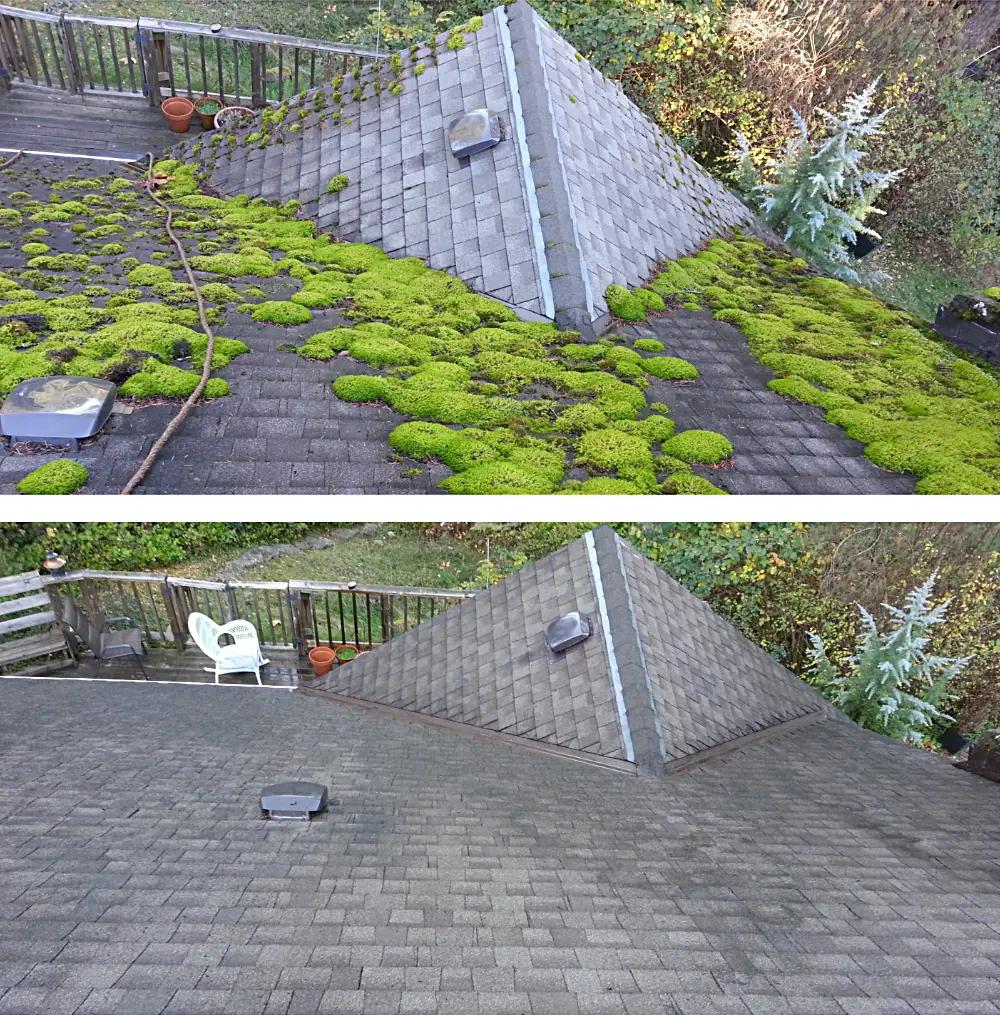
Moss is one of the most common roofing concerns in Nanaimo and across Vancouver Island. It often grows in shaded, damp areas where the roof does not dry quickly. Homes surrounded by trees or located in moisture-heavy areas may be especially vulnerable.
At first, moss may look like a cosmetic issue. But it can become a serious maintenance problem.
Moss can:
- Hold moisture against roofing materials
- Lift shingle edges
- Block proper water flow
- Add weight to roof surfaces
- Hide damaged shingles
- Contribute to premature deterioration
- Clog gutters and downspouts
- Increase the risk of leaks
Spring is an excellent time to assess moss growth because winter moisture often encourages moss to spread. By spring, homeowners can see where buildup has developed and decide whether treatment, cleaning, or repair is needed.
However, homeowners should be careful. Pressure washing a roof can damage shingles, remove protective granules, and force water underneath roofing materials. Heavy moss should be inspected by a professional before removal so the roof can be cleaned safely.
A roof inspection can help determine whether moss is only on the surface or whether it has already affected shingles, flashing, or drainage.
Spring Inspections Catch Gutter and Drainage Problems Early
Your roof and gutters work together. Even if your roofing materials are in good condition, poor drainage can still lead to water damage.
After winter, gutters often collect leaves, twigs, moss, shingle granules, dirt, and storm debris. If gutters are clogged or sagging, rainwater may overflow or back up under the roof edge.
This can lead to:
- Fascia board rot
- Soffit damage
- Roof edge leaks
- Basement moisture
- Foundation problems
- Landscape erosion
- Staining on siding
- Ice or moisture problems in colder conditions
- Pest entry points
Spring is the right time to inspect gutters and downspouts because you can fix drainage problems before heavier spring or summer rain events expose them.
During a professional roof inspection, a roofer can check whether gutters are properly attached, whether downspouts are flowing correctly, and whether water is being directed away from the home.
RoofPro lists gutter services alongside its roofing services, which makes a spring inspection helpful for checking the entire water-shedding system, not just the roof surface.
Spring Weather Makes Roof Inspections More Practical
Another reason spring is a smart time for roof inspections is simple: the weather is usually more manageable than winter.
Winter roof inspections can be difficult because of rain, slippery surfaces, wind, and poor visibility. Summer can also become busy for roofing contractors because more homeowners begin booking repairs once problems become visible.
Spring offers a practical window when roofers can inspect damage from winter while still giving homeowners time to schedule repairs before peak roofing season.
This can help you:
- Avoid emergency repair costs
- Get on a roofer’s schedule earlier
- Plan repairs before summer
- Prepare for home selling or refinancing
- Document roof condition for insurance
- Prevent small issues from worsening
- Make better decisions about maintenance or replacement
For homeowners in Nanaimo, booking early can be especially helpful because roofing companies may become busier as the weather improves and more homeowners start outdoor maintenance projects.
Spring Inspections Help Extend the Life of Your Roof
A roof is a major home investment. Whether your home has asphalt shingles, fibreglass shingles, cedar shakes, metal roofing, or a flat membrane system, regular inspections help protect that investment.
Minor repairs can often extend the life of a roof by preventing damage from spreading.
For example:
- Replacing a few missing shingles can prevent water intrusion.
- Repairing flashing can stop leaks around chimneys or skylights.
- Clearing gutters can protect fascia and roof edges.
- Removing debris from valleys can improve drainage.
- Addressing moss early can reduce moisture-related deterioration.
- Fixing ventilation problems can reduce attic moisture.
A neglected roof may fail earlier than expected. A well-maintained roof has a better chance of lasting longer and performing properly through seasonal changes.
RoofPro’s own roofing content recommends proactive checks and notes that professionals can identify subtle issues such as hairline cracks and worn areas that may later cause problems.
Spring inspections are not only about finding current problems. They are about protecting the roof’s future performance.
A Spring Roof Inspection Can Support Insurance Claims
Roof inspections can also be valuable for homeowners who need documentation for insurance purposes. Storm damage, wind damage, fallen branches, and sudden leaks may require clear evidence of roof condition and damage.
RoofPro states that its professional roof inspections can include detailed reports with images for homeowners’ insurance claims.
This matters because photos, written findings, and professional recommendations can help homeowners understand the cause and extent of roof damage. It can also help create a record of maintenance and condition over time.
A spring inspection may reveal whether winter weather caused damage that needs attention. Even if you do not need to file a claim, documentation can be helpful when selling your home, planning renovations, or budgeting for future roof replacement.
Spring Is a Smart Time to Inspect Flashing and Roof Penetrations
Many roof leaks do not start in the middle of the roof surface. They often start around the areas where the roof is interrupted.
These areas include:
- Chimneys
- Skylights
- Plumbing vents
- Bathroom vents
- Roof vents
- Exhaust penetrations
- Dormers
- Valleys
- Wall transitions
- Flat-to-sloped roof transitions
Flashing is used to protect these vulnerable points. Over time, flashing can loosen, rust, shift, crack, or separate from surrounding materials.
Spring is the perfect time to check flashing because months of moisture and wind can reveal weak spots. A professional roofer can inspect sealants, metal edges, fasteners, vent boots, and transitions to make sure water is being directed away properly.
This is especially important for older homes or homes with complex rooflines. The more roof penetrations and transitions a home has, the more opportunities there are for leaks to form.
Spring Inspections Can Reveal Attic Moisture and Ventilation Issues
A good roof inspection does not only focus on the outside of the roof. The attic can tell an important story too.
Attic problems may include:
- Damp insulation
- Water stains on wood
- Condensation
- Musty smells
- Mould growth
- Rusted nail tips
- Poor airflow
- Daylight coming through roof gaps
- Heat buildup
- Blocked soffit vents
These issues can point to roof leaks, poor ventilation, or moisture imbalance. If left alone, attic moisture can damage insulation, reduce energy efficiency, and contribute to mould or wood deterioration.
Spring is a helpful time to check the attic because winter moisture may still leave visible clues. If there were leaks or condensation problems during the colder months, a spring inspection can identify them before they worsen.
A properly functioning roof system includes not only shingles or roofing material, but also ventilation, insulation, drainage, and moisture control.
Spring Helps Homeowners Prepare for Summer Heat and UV Exposure
While Nanaimo is known for moisture and rain, summer can bring sun exposure and warmer temperatures. If shingles are already cracked, curled, or worn after winter, summer heat can make them more brittle.
A spring inspection helps identify roof materials that are already under stress before heat exposure adds another layer of wear.
Things to check before summer include:
- Shingle granule loss
- Curling or brittle shingles
- Cracked sealant
- Exposed nails
- Weak flashing
- Poor attic ventilation
- Low-slope membrane blisters
- Drainage problems
- Moss-covered areas that may dry unevenly
Flat and low-slope roofing systems may also need special attention before summer. BC Housing notes that roof membrane issues such as blisters and splitting can allow water to collect and damage low-slope roofing systems.
If your home has a torch-on or membrane roof, spring is a smart time to inspect it before summer heat expands existing weaknesses.
A Roof Inspection Is Especially Important If Your Roof Is Older
If your roof is over 10, 15, or 20 years old, spring inspections become even more important. Older roofs are more likely to have worn materials, weakened flashing, granule loss, ventilation problems, and age-related deterioration.
Aging roofs may show signs such as:
- Curling shingles
- Missing granules
- Frequent small leaks
- Soft decking
- Moss growth
- Cracked flashing
- Worn ridge caps
- Sagging areas
- Repeated repairs
- Staining inside the attic
A spring inspection can help you decide whether your roof only needs minor maintenance or whether it is time to start planning for replacement.
This is useful for budgeting. Instead of being surprised by an emergency leak or urgent replacement, homeowners can plan ahead and make informed decisions.
What a Professional Spring Roof Inspection Should Include
A thorough roof inspection should look at the entire roofing system, not just the most visible surface areas.
A professional inspection may include:
- Shingle or roofing material condition
- Flashing around vents, chimneys, and skylights
- Gutters and downspouts
- Roof valleys
- Ridge caps
- Fascia and soffits
- Moss and organic growth
- Roof penetrations
- Flat roof or membrane areas
- Attic moisture signs
- Ventilation concerns
- Signs of structural movement
- Storm or wind damage
- Repair recommendations
The goal is to identify current issues, explain the severity, and recommend the best next step.
Some problems may need immediate repair. Others may simply need monitoring. A good inspection helps homeowners understand the difference.
Signs You Should Book a Spring Roof Inspection Right Away
Some homeowners can safely wait for routine seasonal maintenance. Others should schedule a roof inspection as soon as possible.
You should book an inspection if you notice:
- Missing shingles
- Water stains on ceilings
- Moss covering large areas
- Gutters overflowing
- Branches on the roof
- Loose flashing
- Shingles curling or lifting
- Granules collecting in gutters
- Damp attic insulation
- Musty smells upstairs
- Skylight leaks
- Sagging rooflines
- Damage after a windstorm
- A roof that has not been inspected in years
Do not wait for a small warning sign to become a major problem. Roof issues are usually easier and more affordable to repair when they are caught early.
Why Nanaimo Homeowners Should Avoid DIY Roof Inspections
It is helpful for homeowners to visually inspect their roof from the ground, but climbing onto the roof is risky. Roof surfaces can be slippery, especially when moss, moisture, or debris are present.
DIY roof inspections can also miss important signs of damage.
Homeowners may not know how to safely identify:
- Subtle flashing failures
- Early shingle deterioration
- Soft decking
- Ventilation issues
- Low-slope membrane problems
- Hidden moisture paths
- Improper drainage
- Roof installation defects
A professional roofer has the training, safety equipment, and experience to inspect the roof properly.
From the ground, homeowners can look for obvious signs such as missing shingles, clogged gutters, moss buildup, sagging areas, or visible damage. But for a full assessment, a professional inspection is the safer and smarter option.
How Spring Roof Inspections Save Money Long-Term
A spring roof inspection may feel like an extra task, but it can save homeowners money over time.
Here is how:
- Small repairs cost less than emergency repairs.
- Early leak detection prevents interior damage.
- Gutter fixes can prevent fascia and foundation problems.
- Moss control can help reduce premature roof wear.
- Flashing repairs can prevent hidden water intrusion.
- Maintenance can extend roof lifespan.
- Documentation can help with insurance or home sales.
- Planned repairs are easier to budget for than sudden failures.
Ignoring a roof problem rarely makes it cheaper. Water damage tends to spread, and roofing issues often become more expensive the longer they are left unresolved.
A spring inspection helps homeowners take control before the damage takes control.
Best Time in Spring to Schedule a Roof Inspection in Nanaimo
The best time to schedule a spring roof inspection is once the worst winter weather has passed and before summer begins. For many Nanaimo homeowners, this means March, April, May, or early June.
May is often an ideal month because the roof has already experienced winter and early spring moisture, but there is still time to complete repairs before summer.
Book earlier if:
- You noticed a leak
- Your roof has visible storm damage
- Moss growth is spreading
- Gutters are overflowing
- You are planning to sell your home
- Your roof is older
- You need insurance documentation
- You have not had an inspection in several years
Waiting until late summer or fall may put you closer to rainy season again, when roofing schedules can become busier and problems may already have worsened.
Spring Roof Inspection Checklist for Nanaimo Homeowners
Before calling a professional, you can do a simple visual check from the ground.
Look for:
- Missing shingles
- Curling or lifted shingles
- Dark streaks or moss
- Gutter overflow
- Loose downspouts
- Branches touching the roof
- Debris in roof valleys
- Stains around skylights
- Sagging roof areas
- Damaged fascia
- Water stains inside
- Musty attic smells
Do not climb on the roof if conditions are wet, steep, mossy, or unsafe. Use your phone camera zoom or binoculars instead.
This quick check can help you describe the issue when contacting a roofing company.
Why Choose a Local Nanaimo Roofing Company
Choosing a local roofing company matters because Nanaimo and Central Vancouver Island have specific roofing challenges. A local roofer understands regional weather patterns, common roof materials, moss issues, tree debris problems, and coastal moisture concerns.
RoofPro is locally based on Vancouver Island and provides services including fibreglass shingles, metal cladding, cedar shake, conversions, torch-on/membrane roofing, structural repairs, and inspections.
A local roofer can give advice that fits the area, not generic recommendations from a different climate.
For Nanaimo homeowners, this is important because roof maintenance is heavily influenced by local conditions. What works in a dry inland region may not be enough for a damp coastal community.
Final Thoughts: Spring Is the Right Time to Protect Your Roof
Spring is the best time to schedule a roof inspection in Nanaimo because it gives homeowners the chance to catch winter damage, address moss growth, clear drainage problems, repair flashing, identify hidden leaks, and prepare the roof for the months ahead.
A professional inspection can help protect your home from costly water damage, extend the life of your roof, and give you peace of mind before small issues become major repairs.
Your roof works hard all year, especially in Nanaimo’s wet and coastal climate. Spring is your opportunity to check in, make repairs, and keep your home protected.
If your roof has not been inspected recently, or if you have noticed moss, missing shingles, gutter problems, ceiling stains, or storm damage, now is the right time to schedule a professional inspection.
Book a spring roof inspection with RoofPro and make sure your Nanaimo home is ready for the season ahead.
FAQs About Spring Roof Inspections in Nanaimo
How often should I schedule a roof inspection in Nanaimo?
Most homeowners should inspect their roof at least once or twice a year, especially in spring and fall. You should also schedule an inspection after major storms, visible damage, or signs of leaks.
Why is spring the best time for a roof inspection?
Spring is ideal because it allows homeowners to identify winter damage, moss growth, gutter problems, and moisture issues before they become bigger repairs during the rest of the year.
What are the most common roofing problems in Nanaimo?
Common issues include moss growth, clogged gutters, loose shingles, flashing problems, roof leaks, attic moisture, wind damage, and drainage problems.
Can I inspect my roof myself?
You can do a basic visual inspection from the ground, but you should avoid climbing onto the roof. A professional inspection is safer and more thorough.
What should a roof inspection include?
A proper inspection should check shingles, flashing, gutters, valleys, roof penetrations, attic moisture, ventilation, moss growth, and signs of structural or water damage.
Is moss on my roof serious?
Yes, moss can trap moisture, affect drainage, and contribute to roofing material deterioration. Heavy moss should be assessed and removed safely by professionals.
When should I call RoofPro for a roof inspection?
Call RoofPro if you notice missing shingles, moss buildup, leaks, ceiling stains, gutter issues, storm damage, or if your roof has not been inspected in several years.