
Have you been thinking about replacing your roof but aren’t sure which material is best for your home?
It’s a common question among homeowners across Vancouver Island. While the region is known for its mild climate, summers bring longer daylight hours, increased UV exposure, warmer temperatures, and occasional dry spells. Choosing the right roofing material isn’t just about appearance—it’s about durability, energy efficiency, maintenance, and long-term performance.
Whether you’re building a new home or planning a roof replacement on Vancouver Island, understanding how different roofing materials respond to summer conditions can help you make a more informed decision.
In this guide, we’ll compare three popular options—cedar shake, metal roofing, and fiberglass asphalt shingles—to help you determine the best roofing material for Vancouver Island based on your home’s needs, budget, and maintenance expectations.
Why Your Roofing Material Matters
Your roof is exposed to the elements every day. During summer, it absorbs sunlight, experiences thermal expansion and contraction, and protects your home from UV radiation.
A roofing material that performs well during warm months can also contribute to:
- Better indoor comfort
- Improved energy efficiency
- Reduced maintenance
- Longer service life
- Better resistance to future seasonal weather changes
Selecting the right material today can reduce unexpected repairs and improve the overall value of your home.
Understanding Vancouver Island’s Summer Climate
Unlike many inland regions, Vancouver Island generally experiences:
- Warm but moderate summer temperatures
- Long daylight hours
- High UV exposure
- Coastal humidity
- Salt air in many communities
- Dry periods followed by rainy autumns
Because roofs must transition from dry summers to wet fall and winter conditions, homeowners should consider year-round performance—not just how a roof looks.
Cedar Shake Roofing
What Is Cedar Shake?
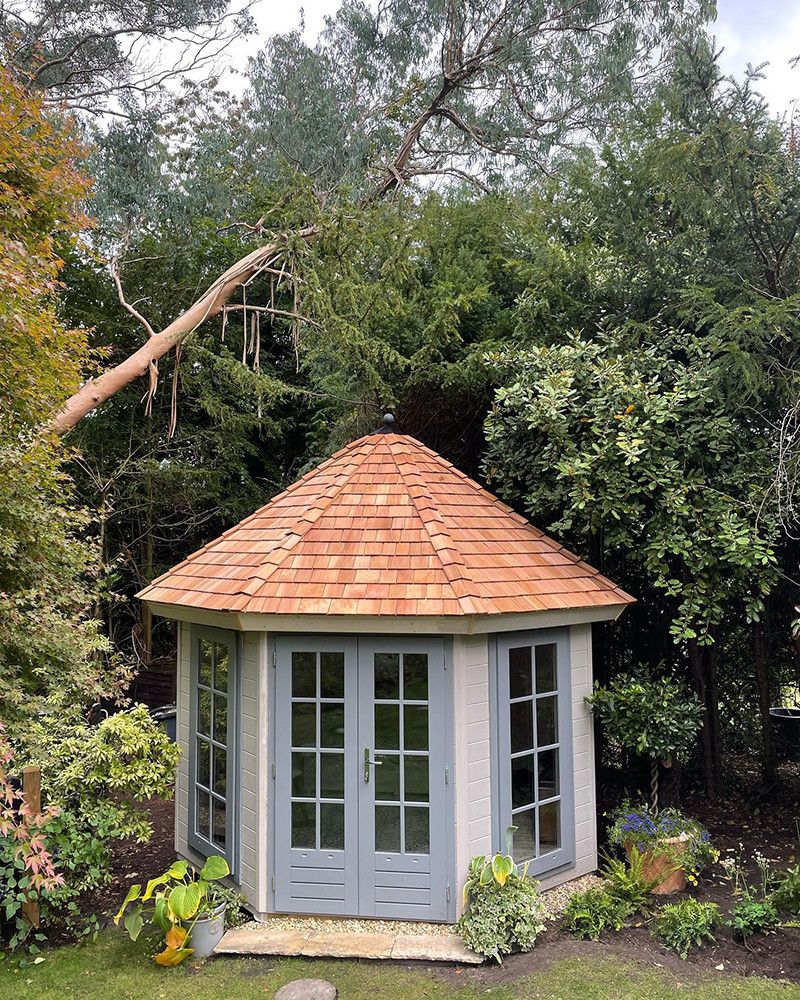
Cedar shake roofs are made from natural cedar wood, offering a distinctive appearance that complements many West Coast homes.
Their natural texture and character make them popular for homeowners seeking traditional or rustic curb appeal.
Benefits of Cedar Shake Roofing
- Natural insulating properties
- Attractive appearance
- Blends well with coastal and forested surroundings
- Can improve curb appeal
- Renewable natural material
Cedar naturally resists some insects and provides insulation that may help moderate indoor temperatures.
Summer Performance
Cedar does not absorb heat in the same way some darker roofing materials can, helping reduce heat transfer into the attic under certain conditions.
However, long-term performance depends heavily on proper installation, ventilation, and ongoing maintenance.
Maintenance Considerations
Cedar requires more maintenance than many other roofing systems.
Homeowners should monitor for:
- Moss growth
- Debris accumulation
- Weathering
- Cracked or split shakes
- Moisture retention
Routine inspections help maintain its appearance and performance.
Best For
Cedar shake roofing may appeal to homeowners who prioritize natural beauty and are comfortable with regular maintenance.
Metal Roofing
What Is Metal Roofing?
Residential metal roofing is available in several profiles, including standing seam and metal panels designed to resemble traditional shingles.
Modern metal roofing has become increasingly popular because of its durability and clean appearance.
Benefits of Metal Roofing
- Reflects solar heat
- Low maintenance
- Durable construction
- Lightweight compared with some roofing materials
- Suitable for many architectural styles
Summer Performance
Metal roofs are known for reflecting a significant portion of the sun’s radiant energy, especially when manufactured with reflective finishes.
Potential advantages include:
- Cooler attic temperatures
- Reduced heat absorption
- Improved energy efficiency
- Consistent performance during prolonged sun exposure
Ventilation and insulation remain important components of the overall roofing system.
Maintenance Requirements
Metal roofs generally require routine inspections rather than extensive maintenance.
Homeowners should periodically check:
- Flashing
- Fasteners (where applicable)
- Sealants
- Gutters
- Roof penetrations
Best For
Metal roofing is well suited to homeowners seeking long-term durability with relatively low maintenance.
Fiberglass Asphalt Shingles
What Are Fiberglass Asphalt Shingles?
Fiberglass asphalt shingles are among the most common residential roofing materials in Canada.
They consist of a fiberglass mat coated with asphalt and mineral granules.
Benefits
- Widely available
- Variety of colours and styles
- Compatible with many home designs
- Straightforward repair if individual shingles become damaged
- Generally lower initial investment than some premium roofing materials
Summer Performance
Modern fiberglass shingles are designed to withstand normal UV exposure and seasonal temperature changes.
Lighter-coloured shingles may reflect more sunlight than darker colours, which can influence roof surface temperatures.
The overall energy performance of a home also depends on insulation, attic ventilation, and roof design.
Maintenance
Routine maintenance includes:
- Cleaning gutters
- Inspecting after storms
- Replacing damaged shingles promptly
- Monitoring flashing and roof penetrations
Side-by-Side Comparison
| Feature | Cedar Shake | Metal Roofing | Fiberglass Asphalt |
| Appearance | Natural and rustic | Modern or traditional | Wide variety of styles |
| Summer Heat Performance | Good natural insulation | Excellent heat reflection (depending on finish) | Good overall performance |
| Maintenance | Higher | Lower | Moderate |
| UV Resistance | Good with maintenance | Excellent | Good |
| Moisture Resistance | Depends on maintenance | Excellent | Good when properly installed |
| Energy Efficiency | Good | Very Good | Good |
| Design Options | Moderate | High | Very High |
No roofing material is universally “best.” The right choice depends on your home’s design, maintenance preferences, budget, and long-term goals.
Common Mistakes When Choosing a Roof
Many homeowners focus only on appearance or initial cost.
Instead, consider the complete lifecycle of the roofing system.
Common mistakes include:
- Choosing based solely on price
- Ignoring attic ventilation
- Overlooking maintenance requirements
- Not considering local weather conditions
- Delaying replacement until leaks develop
A professional consultation can help identify the roofing system best suited to your home.
Factors Beyond Roofing Material
The material itself is only one part of a successful roofing system.
Other important components include:
Proper Ventilation
Good attic ventilation helps manage heat and moisture, contributing to the long-term performance of many roofing materials.
Quality Installation
Even premium roofing materials may underperform if installed incorrectly.
Experienced workmanship is essential for proper flashing, ventilation, drainage, and weather protection.
Roof Design
Steeper roofs shed water differently than low-slope roofs, and architectural complexity may influence material selection.
Frequently Overlooked Considerations
Homeowners often focus on shingles or panels while overlooking other important components.
A complete roofing system also includes:
- Underlayment
- Flashing
- Ridge ventilation
- Roof decking
- Soffits
- Fascia
- Gutters
- Vent pipes
- Chimney flashing
Each element contributes to overall roof performance.
Maintenance Tips for Summer
Regardless of roofing material, homeowners can extend roof performance through regular maintenance.
Summer Roof Maintenance Checklist
✅ Inspect the roof from ground level.
✅ Remove leaves and branches.
✅ Clean gutters and downspouts.
✅ Check attic ventilation.
✅ Look for loose flashing.
✅ Trim overhanging tree limbs.
✅ Schedule a professional roof inspection if the roof is aging or has experienced storm damage.
Preventive maintenance helps identify minor issues before they develop into larger problems.
General Cost Considerations
Roof replacement costs vary based on several factors rather than the roofing material alone.
These may include:
- Roof size
- Roof pitch
- Material selection
- Accessibility
- Existing roof condition
- Ventilation improvements
- Flashing replacement
- Removal and disposal of old roofing materials
Rather than comparing materials by upfront cost alone, homeowners should consider maintenance needs, expected longevity, and overall value over time.
Professional Recommendations
When selecting the best roofing material for your home, it’s helpful to think beyond today’s needs.
Ask yourself:
- How long do you plan to stay in the home?
- How much maintenance are you comfortable with?
- What architectural style best matches your property?
- Is energy efficiency a priority?
- Are you looking for a traditional or modern appearance?
A roofing professional can evaluate your home’s structure, ventilation, and local environmental conditions to recommend options that align with your goals.
Why Choose The RoofPro
Choosing a roofing contractor is about more than selecting materials—it’s about partnering with professionals who understand local conditions and provide honest guidance.
At The RoofPro, homeowners receive recommendations based on the specific needs of their property, taking into account Vancouver Island’s coastal climate, seasonal weather, and long-term roof performance. The team focuses on quality workmanship, clear communication, and helping homeowners make informed decisions without unnecessary pressure.
Customers appreciate:
- Local knowledge of Vancouver Island roofing conditions
- Professional roof assessments
- Honest recommendations
- Quality workmanship
- Safety-focused installation practices
- Responsive customer service
- Residential roofing expertise
Whether you’re considering cedar shake, metal, or fiberglass asphalt shingles, choosing the right material starts with an experienced evaluation.
Frequently Asked Questions
Which roofing material lasts the longest?
Service life varies depending on the material, installation quality, maintenance, and environmental conditions. A roofing professional can explain the expected performance of different materials for your specific home.
Is metal roofing too hot during summer?
Metal roofing is often designed with finishes that reflect solar radiation, which may help reduce heat absorption compared with some other roofing materials. Proper insulation and attic ventilation also play an important role.
Does cedar shake require more maintenance?
Generally, yes. Cedar shake roofs benefit from regular inspections and maintenance to manage moss, debris, and weather-related wear.
Are fiberglass asphalt shingles a good choice for Vancouver Island?
Fiberglass asphalt shingles remain a popular option because they provide reliable performance, design flexibility, and compatibility with many residential homes when properly installed.
Which roofing material is best for energy efficiency?
Energy performance depends on several factors, including roofing material, colour, insulation, attic ventilation, and the overall roofing system.
How do I know which roofing material is right for my home?
A professional roof inspection can help evaluate your home’s design, location, maintenance preferences, and budget to determine the most suitable roofing options.
Conclusion
Choosing between cedar shake, metal roofing, and fiberglass asphalt shingles involves balancing appearance, maintenance, durability, and long-term performance. Each material offers unique advantages, and the best choice depends on your home’s design, your maintenance expectations, and how you want your roof to perform throughout Vancouver Island’s changing seasons.
By understanding the strengths of each roofing system and working with a knowledgeable local contractor, you can make a confident investment that protects your home for years to come.
If you’re planning a roof replacement on Vancouver Island or want expert guidance on selecting the best roofing material for your home, contact The RoofPro to schedule a professional roof inspection and consultation. An experienced assessment can help you compare your options and choose a roofing solution that fits your property, lifestyle, and long-term goals.