

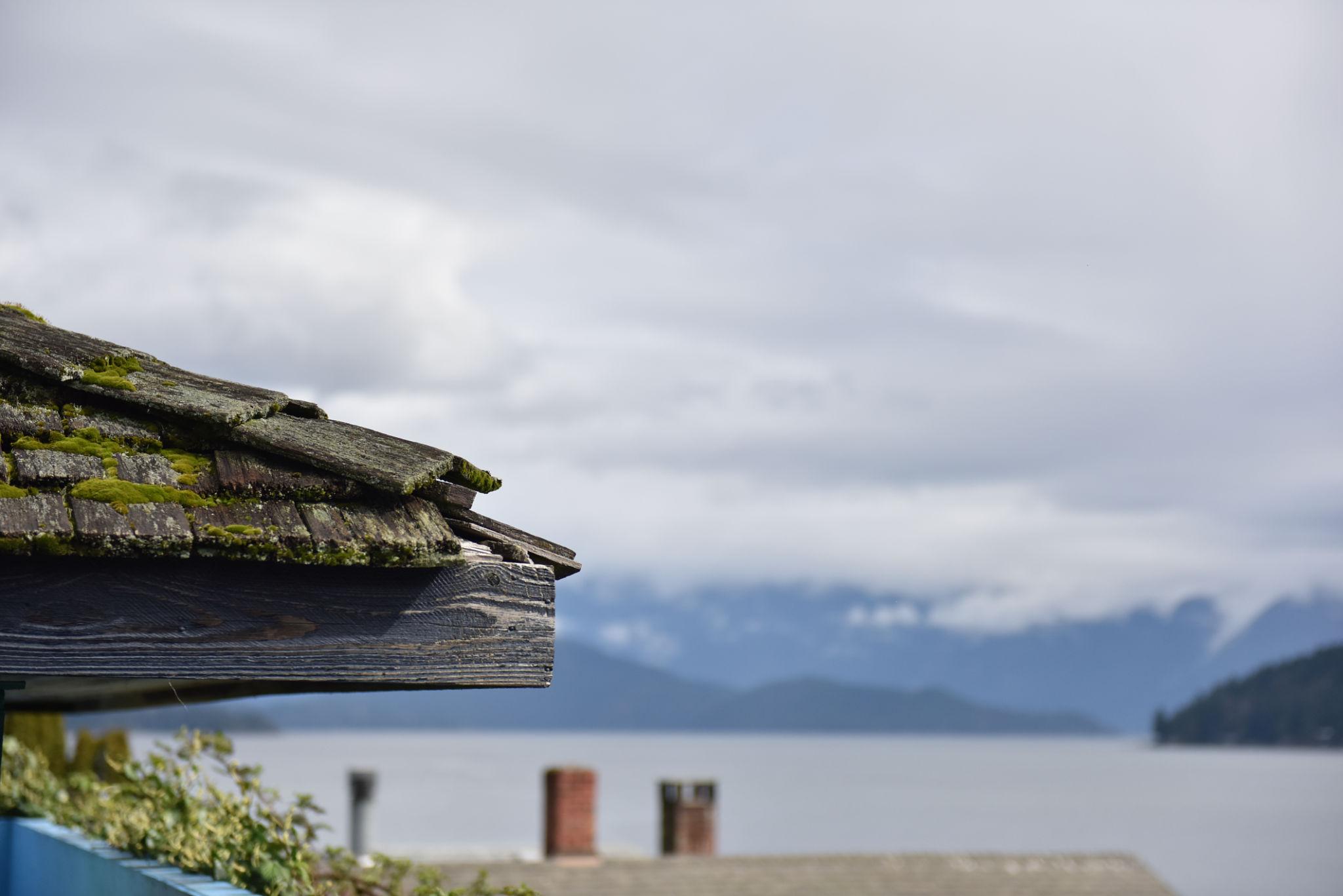
May Roof Maintenance Checklist for Vancouver Island Homeowners
May is one of the best months for Vancouver Island homeowners to give their roof the attention it deserves. After months of rain, wind, moisture, falling branches, moss growth, and winter wear, your roof may be hiding small issues that can become expensive repairs if left unchecked.
For homeowners in Nanaimo, Parksville, Port Alberni, Duncan, Courtenay, Nanoose Bay, and surrounding Central Vancouver Island communities, roof maintenance is not just a seasonal chore. It is part of protecting your home from the coastal climate.
Vancouver Island homes deal with wet conditions, salty air in coastal areas, windstorms, moss growth, and moisture buildup. These elements can slowly weaken shingles, flashing, gutters, cedar shakes, flat roofing membranes, and roof structures. By the time a visible leak appears inside your home, the damage may already have spread into the attic, insulation, roof deck, or walls.
That is why May is the ideal time to inspect, clean, and prepare your roof before the warmer summer months arrive. The weather is usually more manageable, roofers are easier to schedule before peak emergency season, and you still have time to fix minor issues before they become major repairs.
This May roof maintenance checklist will help you understand what to look for, what tasks you can safely handle from the ground, and when it is time to call a professional roofing contractor.
RoofPro provides roofing repairs, inspections, installations, gutters, fibreglass shingles, cedar, metal, torch-on/membrane roofing, and structural repairs across Nanaimo and Central Vancouver Island.
Why May Is the Perfect Month for Roof Maintenance on Vancouver Island
May sits in an important window between winter weather and summer heat. By this time, your roof has already gone through months of rain, cold temperatures, heavy moisture, wind, organic debris, and possible storm damage.
Spring roof maintenance allows homeowners to catch damage early. Common post-winter issues include cracked shingles, curling edges, granule loss, clogged gutters, loose flashing, moss buildup, water stains in the attic, and debris around valleys or drainage points. BC Housing also notes that moss can hold moisture on the roof, reduce proper drainage, and speed up deterioration of roofing components.
May is also a practical month because:
- The roof is easier to inspect after winter weather has passed.
- Gutter blockages from spring debris can be cleared before summer storms.
- Moss and algae growth can be treated before it spreads further.
- Roofing contractors can identify problems before peak repair season.
- Homeowners can prepare their roof for drier summer conditions.
For Vancouver Island properties, this is especially important because the climate can be tough on roofing systems. Moisture does not only affect the surface of your roof. It can also work its way under shingles, around vents, behind flashing, into attic spaces, and along roof edges.
A simple May inspection can help prevent leaks, mould, wood rot, insulation damage, and costly structural issues later in the year.
1. Start With a Ground-Level Roof Inspection
Before doing anything else, walk around your property and inspect your roof from the ground. You do not need to climb onto the roof to spot many warning signs. In fact, homeowners should avoid walking on a roof unless they have the right safety equipment and experience.
Look for:
- Missing shingles
- Lifted or curling shingles
- Cracked shingles
- Dark patches or staining
- Sagging areas
- Debris in roof valleys
- Moss or algae buildup
- Loose flashing around chimneys, vents, and skylights
- Rusted or damaged metal components
- Gutters pulling away from the fascia
- Branches touching the roof
Use binoculars or your phone camera zoom to get a closer look from a safe distance. If your roof has steep slopes, multiple levels, or areas that are difficult to see, schedule a professional roof inspection instead.
A visual inspection helps you catch obvious signs of roof damage early. Even one missing shingle can create a pathway for water to enter the roof system during the next rainfall.
For Vancouver Island homeowners, this step is especially important after windstorms. Strong coastal winds can loosen shingles, lift edges, damage flashing, and push debris into vulnerable areas of the roof.
2. Check for Missing, Cracked, or Curling Shingles
Your shingles are your roof’s first line of defence. If they are damaged, water can move underneath and affect the layers below.
In May, inspect your shingles for signs of winter damage and moisture wear. Asphalt and fibreglass shingles can show problems in several ways.
Common shingle warning signs include:
- Curling edges
- Cracks across the surface
- Missing tabs
- Bald spots where granules are gone
- Raised or lifted shingles
- Dark streaks
- Exposed nail heads
- Uneven shingle lines
Granule loss is especially important. The granules on shingles help protect them from UV rays and weather exposure. If you see a large amount of granules in your gutters or at the bottom of downspouts, your shingles may be aging or deteriorating.
A few damaged shingles may be repairable. However, widespread curling, cracking, or granule loss may indicate that your roof is nearing the end of its life.
RoofPro’s website highlights fibreglass shingles as one of its roofing services for Vancouver Island homeowners. If your shingle roof is showing signs of age, May is a good time to have it professionally assessed before summer heat and future rainfall worsen the problem.
3. Clear Gutters and Downspouts
Gutters play a major role in protecting your roof, fascia, siding, foundation, and landscaping. When gutters clog, water has nowhere to go. Instead of flowing away from your home, it can back up under the roof edge or spill over the sides.
In May, your gutters may contain:
- Leaves
- Twigs
- Moss
- Shingle granules
- Dirt
- Seeds
- Pine needles
- Small branches
- Roof debris from winter storms
Clogged gutters can lead to water pooling along the roofline, fascia board damage, soffit damage, basement moisture, and foundation issues.
Your May gutter checklist should include:
- Remove visible debris from gutters.
- Make sure downspouts are not blocked.
- Check that water flows away from the foundation.
- Look for sagging or detached gutter sections.
- Inspect seams for leaks.
- Watch for rust, cracks, or holes.
- Confirm downspout extensions are properly positioned.
If your gutters overflow during rain, that is a sign they need attention. You may need cleaning, repairs, re-sloping, or replacement.
RoofPro offers gutter services in addition to roofing work, making gutter inspection an important part of a full roof maintenance plan.
4. Inspect Roof Flashing Around Chimneys, Vents, and Skylights
Flashing is one of the most important parts of your roofing system. It seals the areas where the roof meets another surface or opening, such as chimneys, skylights, vents, walls, and valleys.
Because flashing protects vulnerable transition points, even a small gap can create a leak.
During your May inspection, look for:
- Loose flashing
- Rusted flashing
- Cracked sealant
- Gaps around vents
- Lifted metal edges
- Water stains near skylights
- Missing caulking
- Damaged chimney flashing
Flashing problems are one of the most common causes of roof leaks. Water often enters around roof penetrations before homeowners notice visible ceiling stains.
If you see staining around a skylight, moisture near a chimney, or peeling paint inside near rooflines, flashing may be part of the issue.
Do not rely on temporary caulking as a long-term solution. A professional roofer can determine whether the flashing needs resealing, repair, or replacement.
5. Look for Moss, Algae, and Organic Growth
Moss is a major roofing concern on Vancouver Island because of the damp coastal climate. While moss may look harmless, it can trap moisture against the roof surface. Over time, this can contribute to shingle deterioration, lifted edges, and drainage problems.
BC Housing explains that moss accumulation can hold moisture on a roof, prevent proper drainage, and accelerate deterioration of roofing components.
In May, check for moss growth:
- Along shaded roof areas
- Under trees
- Near roof valleys
- On north-facing slopes
- Around gutters
- On cedar shake roofing
- Near areas with poor sunlight exposure
Avoid pressure washing your roof. High-pressure washing can damage shingles, strip protective granules, force water under roofing materials, and shorten the life of your roof.
Instead, use safe roof-cleaning methods or hire a professional. For heavy moss, it is best to have a roofing expert assess the roof first. Moss may be hiding damaged shingles, soft spots, or moisture-related deterioration underneath.
RoofPro has previously published guidance on roof moss removal and serves Vancouver Island homeowners dealing with moss-prone roofing conditions.
6. Examine Roof Valleys and Drainage Areas
Roof valleys are the areas where two roof slopes meet. They collect and direct water toward the gutters. Because so much water moves through valleys, they are high-risk areas for leaks.
In May, inspect valleys for:
- Leaves
- Branches
- Moss
- Granule buildup
- Damaged shingles
- Exposed underlayment
- Rusted metal valley flashing
- Signs of water pooling
If debris blocks a valley, rainwater may slow down or redirect under shingles. This can cause leaks that are difficult to detect until interior damage appears.
Vancouver Island homes surrounded by trees should pay extra attention to valleys. Fir needles, leaves, and small branches can collect quickly and create drainage problems.
If you notice heavy debris in a valley and cannot safely remove it from the ground, call a professional roofer. Walking into a roof valley can be dangerous and may damage roofing materials if done incorrectly.
7. Trim Overhanging Branches
Trees add beauty and shade to Vancouver Island properties, but branches hanging over your roof can cause problems.
Overhanging branches can:
- Drop leaves and needles into gutters
- Scratch shingles during wind
- Keep roof surfaces damp
- Increase moss growth
- Provide access for pests
- Break during storms and damage the roof
In May, look for branches that are touching or nearly touching your roof. Trim them back safely or hire a qualified tree service for larger limbs.
Keeping branches away from your roof improves airflow and sunlight exposure, helping roof surfaces dry more quickly after rain. This can reduce moss and moisture problems.
If a branch has already damaged shingles, gutters, or flashing, schedule a roof inspection before the next heavy rainfall.
8. Check the Attic for Moisture, Stains, and Ventilation Problems
Some roof problems are easier to spot from inside the home than outside. Your attic can reveal early signs of roof leaks, poor ventilation, or moisture buildup.
During your May inspection, check your attic for:
- Water stains on wood
- Damp insulation
- Musty smells
- Mould growth
- Dark streaks on roof decking
- Daylight coming through the roof
- Rusted nails
- Condensation
- Poor airflow
A roof leak does not always drip directly into a living room. Water can travel along rafters, beams, insulation, or walls before becoming visible. By checking the attic, you may catch problems before they cause ceiling stains or interior damage.
Ventilation is also important. Poor attic ventilation can trap heat and moisture, which may shorten the life of shingles and contribute to mould or wood rot. If your attic feels overly humid, smells musty, or shows signs of condensation, your roof ventilation may need professional attention.
9. Inspect Fascia, Soffits, and Roof Edges
The roof edge is another important area to inspect in May. Fascia boards, soffits, drip edges, and gutters all work together to protect your home from water damage.
Look for:
- Peeling paint
- Rotting wood
- Soft spots
- Water staining
- Gutter separation
- Damaged soffit panels
- Pest entry points
- Rusted drip edge
- Sagging roof edges
When gutters clog or overflow, fascia boards often take the damage first. If water repeatedly runs over the edge of the gutter, it can rot the wood behind it.
Soffit damage can also affect attic ventilation. If soffit vents are blocked by insulation, debris, or pests, your attic may not breathe properly.
Small roof-edge repairs can prevent larger structural issues later. If you notice rot, sagging, or water damage, have it inspected before it spreads.
10. Review Flat Roofs, Torch-On, and Membrane Roofing Areas
Not every Vancouver Island home has a steep-slope shingle roof. Some homes, additions, garages, decks, and commercial buildings use flat or low-slope roofing systems.
Flat roofs require special attention because drainage is critical. Water should not sit on the roof for long periods.
For flat, torch-on, or membrane roofing, check for:
- Ponding water
- Bubbles or blisters
- Cracks
- Open seams
- Loose edges
- Drain blockages
- Soft spots
- Punctures
- Debris buildup
BC Housing notes that low-slope roof issues such as blisters and membrane splits can allow water to collect and damage the roofing system.
RoofPro offers torch-on and membrane roofing services for Vancouver Island properties. If you have a flat or low-slope roof, May is an ideal time to schedule an inspection before summer heat expands existing weaknesses.
11. Check Cedar Shake Roofing for Wear and Moisture Damage
Cedar shake roofs have a natural look that suits many Vancouver Island homes, but they require proper maintenance. Moisture, moss, and poor airflow can affect cedar over time.
In May, check cedar shake roofing for:
- Split shakes
- Missing shakes
- Curling
- Excessive moss
- Soft or rotting wood
- Loose fasteners
- Uneven wear
- Debris trapped between shakes
Cedar needs to breathe. When moss or debris traps moisture, the shakes may deteriorate faster. Shaded or tree-covered areas are especially vulnerable.
Do not pressure wash cedar shakes aggressively. This can damage the wood and shorten the lifespan of the roof. A roofing professional can recommend the safest cleaning or repair approach.
RoofPro lists cedar shake among its roofing services for Central Vancouver Island homeowners.
12. Look for Signs of Storm or Wind Damage
Vancouver Island homeowners know that wind can be tough on roofs. Even if a storm did not seem severe, it may have loosened shingles, moved flashing, or damaged gutters.
In May, look for signs of wind damage such as:
- Shingles lifted at the edges
- Missing shingles
- Bent flashing
- Loose ridge caps
- Fallen branches
- Dented gutters
- Debris impact marks
- Exposed underlayment
RoofPro has published information about storm-resistant roofing materials for Vancouver Island’s climate, highlighting the importance of choosing roofing systems that can handle local wind and weather conditions.
If you suspect wind damage, do not wait until the next heavy rain to find out. A quick inspection can help prevent water intrusion and emergency roof repairs.
13. Watch for Interior Warning Signs
Roof damage is not always obvious from outside. Interior signs may reveal moisture problems that started weeks or months earlier.
Inside your home, look for:
- Ceiling stains
- Bubbling paint
- Peeling drywall
- Musty smells
- Damp spots near walls
- Stains around skylights
- Water marks near chimneys
- Mould in upper corners
- Dripping during rain
A small stain can indicate a larger issue above the ceiling. Water may be entering through damaged flashing, cracked shingles, clogged valleys, or roof penetrations.
If you notice any interior signs of roof leakage, schedule a professional inspection right away. The longer water sits inside the roof system, the higher the chance of mould, rot, insulation damage, and structural repairs.
14. Schedule a Professional Roof Inspection
A homeowner checklist is helpful, but it does not replace a professional roof inspection. Many roofing problems are difficult to spot without training, safety equipment, and experience.
A professional roofer can assess:
- Shingle condition
- Flashing integrity
- Roof ventilation
- Gutters and drainage
- Moss and moisture damage
- Roof deck concerns
- Structural issues
- Flat roof membrane condition
- Chimney and skylight areas
- Repair versus replacement options
RoofPro provides professional roof inspections, including inspections for homeowners’ insurance claims, detailed reporting with images, and practical solutions for roofing problems.
Scheduling an inspection in May gives you enough time to plan repairs before issues become urgent. It is especially smart if your roof is older, has visible moss, experienced winter storm damage, or has not been inspected in several years.
15. Prioritize Small Repairs Before They Become Major Problems
One of the biggest benefits of May roof maintenance is catching small issues early.
Minor roofing problems may include:
- A few missing shingles
- Small flashing gaps
- Loose gutters
- Minor moss buildup
- Cracked vent boots
- Early granule loss
- Small membrane punctures
- Isolated water stains
When ignored, these issues can lead to:
- Active roof leaks
- Damaged insulation
- Mould growth
- Rotten roof decking
- Fascia and soffit repairs
- Interior ceiling damage
- Structural repairs
- Premature roof replacement
Small repairs are usually more affordable than emergency repairs. They also help extend the life of your roofing system.
If your roof has visible damage, May is the time to act.
May Roof Maintenance Checklist Summary
Use this quick checklist to guide your spring roof maintenance:
| Roof Area | What to Check |
|---|---|
| Shingles | Missing, cracked, curling, lifted, or worn shingles |
| Gutters | Clogs, sagging, leaks, poor water flow |
| Downspouts | Blockages and drainage away from foundation |
| Flashing | Gaps, rust, loose edges, cracked sealant |
| Roof Valleys | Debris, moss, damaged shingles, poor drainage |
| Moss Growth | Shaded areas, north-facing slopes, roof edges |
| Attic | Water stains, mould, condensation, musty smells |
| Soffits & Fascia | Rot, peeling paint, water damage, pest entry |
| Flat Roof Areas | Ponding water, cracks, blisters, membrane damage |
| Cedar Shake | Splitting, curling, moss, moisture damage |
| Interior Ceilings | Stains, bubbling paint, damp patches |
| Trees | Branches touching or hanging over roof |
When Should You Call a Roofing Professional?
You should call a professional roofer if you notice:
- Missing or damaged shingles
- Water stains inside your home
- Moss covering large sections of the roof
- Gutters pulling away from the house
- Sagging roof areas
- Loose or damaged flashing
- Flat roof ponding
- Signs of mould or attic moisture
- Roof damage after a windstorm
- A roof older than 15–20 years
- Any issue you cannot safely inspect from the ground
Roof work can be dangerous, especially on steep, wet, or moss-covered surfaces. Vancouver Island roofs can become slippery, and climbing without proper equipment can lead to serious injury.
When in doubt, stay safe and book a professional inspection.
Why Vancouver Island Roofs Need Regular Maintenance
Vancouver Island’s climate is beautiful, but it is demanding on roofing systems. Homes in Nanaimo, Parksville, Port Alberni, Duncan, Courtenay, and nearby communities experience a mix of rain, coastal air, wind, tree debris, shade, and moss-friendly conditions.
These conditions can shorten roof lifespan if maintenance is ignored.
Regular roof maintenance helps:
- Prevent leaks
- Extend roof lifespan
- Protect insulation and attic spaces
- Reduce emergency repair costs
- Improve drainage
- Control moss growth
- Protect home value
- Support insurance documentation
- Keep your home safe and dry
A roof is one of the most important parts of your home. It protects everything underneath it, including your family, belongings, walls, structure, electrical systems, and interior finishes.
A simple May checklist can make a major difference.
Final Thoughts: Protect Your Vancouver Island Home This May
May is the perfect time to inspect your roof, clean your gutters, check for moss, look for winter damage, and prepare your home for the months ahead.
For Vancouver Island homeowners, roof maintenance is not something to delay. Moisture, moss, wind, and hidden leaks can turn small problems into expensive repairs quickly.
Start with a safe ground-level inspection. Look for visible shingle damage, clogged gutters, moss growth, loose flashing, and signs of water intrusion. Check your attic and interior ceilings for moisture. Trim branches, clear debris, and schedule a professional inspection if anything looks concerning.
Whether your home has fibreglass shingles, cedar shake, metal roofing, gutters, torch-on roofing, or a flat membrane system, regular maintenance helps protect your investment.
If you need a professional roof inspection, roof repair, gutter service, or roofing advice in Nanaimo, Parksville, Nanoose Bay, or Central Vancouver Island, RoofPro can help you identify issues early and recommend practical solutions.
Protect your home before the next leak starts. Book your May roof inspection and keep your Vancouver Island roof ready for the season ahead.
FAQs About May Roof Maintenance on Vancouver Island
How often should Vancouver Island homeowners inspect their roof?
Homeowners should visually inspect their roof at least twice a year, ideally in spring and fall. It is also wise to check after major windstorms or heavy rainfall.
Is May a good time for roof repairs?
Yes. May is a great time for roof repairs because winter weather has passed, and homeowners can address damage before summer heat and future storms make problems worse.
What are the most common roof problems in Vancouver Island homes?
Common issues include moss growth, clogged gutters, cracked or missing shingles, flashing leaks, moisture damage, wind damage, and drainage problems.
Can I remove moss from my roof myself?
Light moss may be manageable with safe methods, but homeowners should avoid pressure washing or walking on the roof. Heavy moss should be handled by a professional to prevent roof damage and safety risks.
What are signs that my roof may be leaking?
Common signs include ceiling stains, musty smells, damp attic insulation, mould, bubbling paint, water marks around skylights, and stains near chimneys or exterior walls.
Why are clogged gutters bad for my roof?
Clogged gutters can cause water to back up under the roof edge, damage fascia boards, overflow near the foundation, and contribute to leaks or rot.
Should I inspect my attic during roof maintenance?
Yes. The attic can reveal hidden roof problems such as water stains, mould, condensation, daylight gaps, and poor ventilation.
When should I call RoofPro for a professional inspection?
Call a professional if you see damaged shingles, moss buildup, leaks, sagging areas, gutter problems, flashing damage, or any roof issue you cannot safely inspect yourself.