

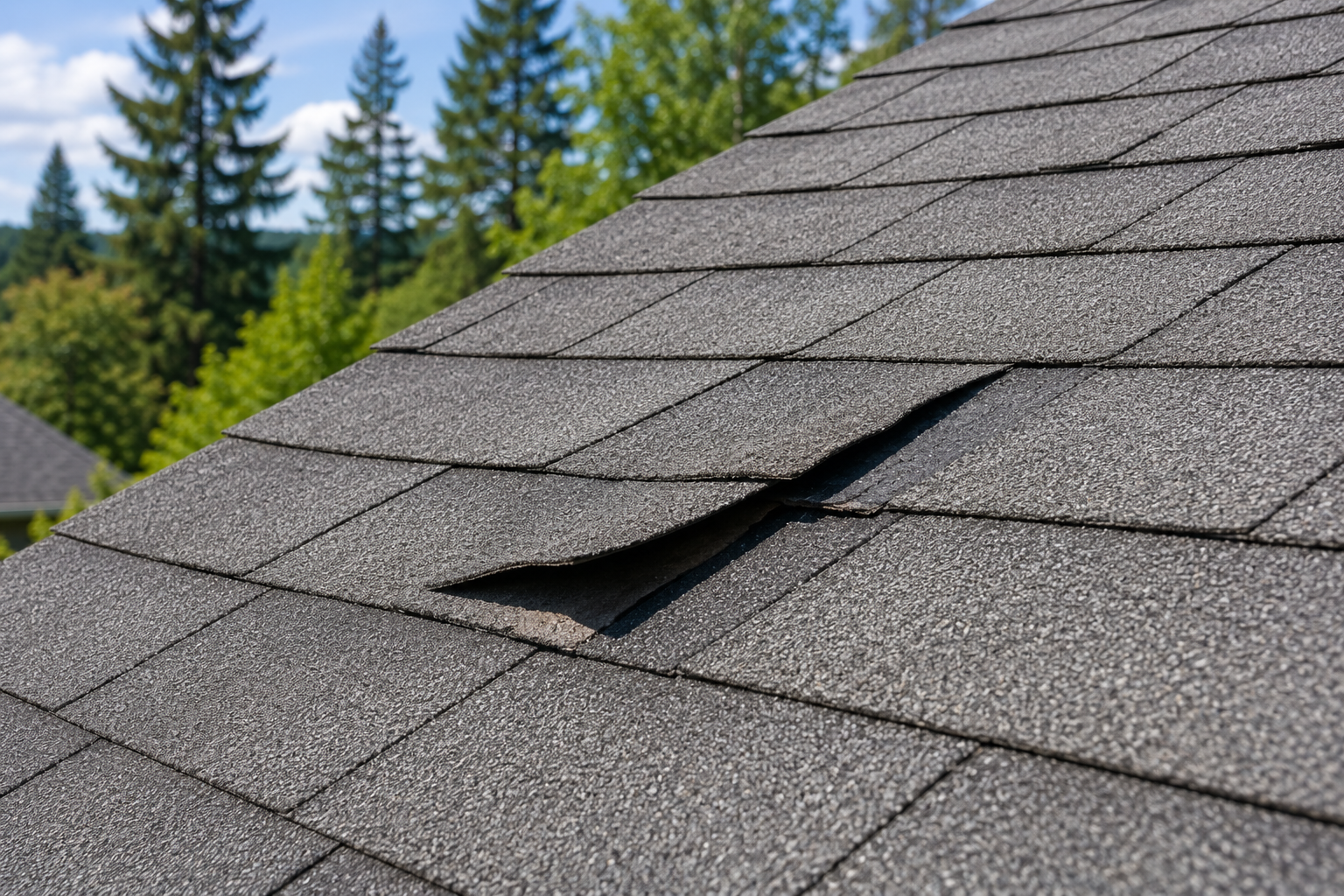
When should you replace your roof?
It’s one of the most common questions homeowners ask—especially when they notice a few missing shingles or a small leak during the summer months. While many people wait until a problem becomes urgent, experienced roofing professionals know that late summer is often the best time to schedule a roof replacement.
For homeowners across Vancouver Island, August and September provide an ideal window before the wet fall weather arrives. Waiting too long can turn a manageable roofing project into an emergency repair during heavy rain, increasing both stress and potential damage to your home.
In this guide, we’ll explain why timing matters, how to recognize when it’s time for a new roof, and why planning ahead can save you money, protect your investment, and provide peace of mind before the rainy season begins.
Why Timing Matters for Roof Replacement
Your roof is your home’s first line of defense against rain, wind, moisture, and changing temperatures.
Although roofing work can be completed throughout much of the year, weather conditions have a significant impact on installation quality, scheduling, and overall project efficiency.
Late summer offers several advantages:
- More predictable weather
- Longer daylight hours
- Lower chance of rain delays
- Comfortable temperatures for roofing materials
- Easier scheduling before the busy fall season
Instead of reacting to leaks during October storms, homeowners who schedule work in August or September often enjoy a smoother, less stressful experience.
Why Fall Rain Is Hard on Aging Roofs
Even roofs that appear to be in reasonable condition can begin failing once continuous rain arrives.
Common issues include:
- Small leaks becoming major water intrusion
- Damaged flashing allowing moisture inside
- Cracked shingles lifting during windstorms
- Worn sealants failing after repeated wet/dry cycles
- Hidden moisture entering attic insulation
Many roofing problems remain unnoticed during dry weather but become obvious once prolonged rainfall begins.
Signs Your Roof May Need Replacement
Not every roofing issue requires a complete replacement, but several warning signs indicate it’s time for a professional evaluation.
1. Your Roof Is Near the End of Its Expected Service Life
Roof lifespan depends on materials, installation quality, ventilation, and maintenance.
If your roof is approaching the end of its expected lifespan, replacing it before failures occur can prevent costly interior damage.
2. Shingles Are Curling or Cracking
Damaged shingles cannot properly shed water.
Look for:
- Curled edges
- Cracks
- Missing tabs
- Brittle shingles
These are common signs of weathering.
3. Missing Shingles
Missing shingles expose the underlayment and roof deck to moisture.
Even one missing section can allow water penetration during heavy rain.
4. Granules in the Gutters
Finding excessive asphalt granules inside gutters often means shingles are wearing out.
Loss of protective granules accelerates deterioration from UV exposure and weather.
5. Repeated Roof Repairs
If you’re repairing the same roof every year, replacement may be more practical than continuing temporary fixes.
A roofing inspection can help determine the most cost-effective solution.
Why Late Summer Is Ideal for Roof Installation
Better Weather Conditions
Roofing crews can work more efficiently when weather is stable.
Benefits include:
- Fewer rain interruptions
- Safer working conditions
- Better material performance
- Improved installation quality
Asphalt Shingles Seal More Effectively
Warm temperatures help asphalt shingles properly seal after installation.
Proper sealing improves:
- Wind resistance
- Water protection
- Overall roof performance
Easier Scheduling
Roofing contractors often become extremely busy once fall storms begin.
Scheduling during late summer gives homeowners:
- More appointment flexibility
- Better project planning
- Less chance of emergency delays
Protect Your Home Before Wet Weather
Replacing your roof before the rainy season reduces the risk of:
- Ceiling leaks
- Mold growth
- Rotting wood
- Damaged insulation
- Interior repairs
Preventative work is almost always less stressful than emergency repairs.
Common Mistakes Homeowners Make
Waiting Until a Leak Appears
A leak usually means water has already entered the roofing system.
The visible drip inside your home may only represent a small portion of the actual damage.
Assuming Small Problems Can Wait
Minor damage often spreads over time.
Examples include:
- Loose flashing
- Missing shingles
- Small soft spots
- Damaged vents
These issues become much more expensive if ignored through the rainy season.
Choosing Based Only on Price
The lowest quote isn’t always the best value.
Homeowners should also consider:
- Experience
- Communication
- Scope of work
- Material options
- Written estimates
A quality roof is a long-term investment.
Roof Replacement vs. Roof Repair
| Situation | Repair May Be Suitable | Replacement May Be Better |
| Minor storm damage | ✔ | |
| One or two missing shingles | ✔ | |
| Localized flashing issue | ✔ | |
| Roof nearing end of lifespan | ✔ | |
| Multiple recurring leaks | ✔ | |
| Widespread shingle deterioration | ✔ | |
| Extensive weather damage | ✔ |
A professional inspection can determine which option makes the most sense for your home.
What Homeowners Can Do Before Booking
Use this simple checklist.
Roof Replacement Planning Checklist
✅ Inspect your attic for signs of moisture
✅ Look for missing shingles
✅ Check gutters for shingle granules
✅ Look for water stains on ceilings
✅ Trim overhanging tree branches
✅ Schedule a professional inspection before rainy weather
Frequently Overlooked Roofing Details
Many homeowners focus only on shingles, but a complete roofing system includes much more.
Professionals also inspect:
- Flashing around chimneys
- Roof vents
- Ridge caps
- Underlayment
- Roof decking
- Ventilation
- Gutters
- Fascia
- Soffits
Addressing these components during replacement helps maximize the performance and longevity of the new roof.
Cost Considerations
Every roof is different.
Several factors influence the overall cost of roof replacement, including:
- Roof size
- Roof pitch
- Material selection
- Accessibility
- Existing roof condition
- Ventilation upgrades
- Flashing replacement
- Disposal of old roofing materials
Rather than focusing solely on upfront costs, homeowners should also consider the long-term value of a properly installed roofing system that helps protect the home for years to come.
How to Prepare for a Roof Replacement
Most roofing projects can be completed efficiently with a little preparation.
Consider the following steps before work begins:
- Move vehicles away from the work area.
- Remove fragile wall decorations that may shift from vibration.
- Secure outdoor furniture and valuables.
- Keep children and pets away from active work zones.
- Discuss access requirements with your roofing contractor in advance.
Proper preparation helps ensure the project progresses safely and with minimal disruption.
Preventive Roof Maintenance After Installation
A new roof still benefits from routine maintenance.
Best practices include:
- Inspect your roof after major storms.
- Keep gutters clear of leaves and debris.
- Remove moss if it begins to develop.
- Trim branches that hang over the roof.
- Schedule periodic professional inspections, particularly as the roof ages.
Regular maintenance can help identify small issues before they become significant repairs.
Why Choose The RoofPro
Choosing the right roofing contractor is just as important as choosing quality roofing materials.
At The RoofPro, homeowners receive honest recommendations based on the actual condition of their roof—not unnecessary upselling. Local knowledge of Vancouver Island’s climate allows the team to recommend practical solutions suited to the region’s frequent rain and changing weather.
Customers also value:
- Local roofing experience
- Professional workmanship
- Clear communication
- Honest roof assessments
- Focus on safety
- Reliable scheduling
- Commitment to quality service
Whether your roof needs repairs or a complete replacement, an experienced evaluation can help you make an informed decision.
Frequently Asked Questions
How do I know if I need a roof replacement instead of repairs?
If your roof has widespread damage, repeated leaks, or is nearing the end of its expected service life, replacement may provide better long-term value. A professional inspection can determine the most appropriate solution.
Why is late summer the best time for roof replacement?
Late summer generally offers more stable weather, longer daylight hours, and an opportunity to complete roofing work before Vancouver Island’s fall rains increase the likelihood of weather-related delays.
Can a roof be replaced during rainy weather?
Roofing projects can sometimes proceed during periods of light or intermittent rain, but extended wet weather may delay work. Scheduling before the rainy season helps reduce these disruptions.
Should I replace my roof if it isn’t leaking?
Yes. Many roofs show signs of aging before leaks become visible. Replacing a roof proactively can help prevent water damage and unexpected repairs.
How long does a roof replacement usually take?
The timeline depends on factors such as roof size, complexity, weather conditions, and material selection. Your contractor can provide a project-specific schedule after inspecting the property.
Does a new roof improve home value?
A well-installed roof can improve curb appeal, provide greater buyer confidence, and enhance protection against weather. While the impact varies by property and market conditions, it is often considered a valuable home improvement.
Conclusion
A roof replacement is one of the most important investments you can make in protecting your home. Waiting until heavy fall rains expose hidden problems can lead to more extensive repairs, greater inconvenience, and additional costs.
By scheduling your roof replacement during late summer, you benefit from more favorable weather, improved scheduling flexibility, and the confidence that your home is prepared for Vancouver Island’s wet season.
If you’re unsure about your roof’s condition, contact The RoofPro to arrange a professional roof inspection. An experienced assessment can help you determine whether repairs or replacement are the right choice, allowing you to plan ahead before the fall rains arrive.