

Summer storms can arrive fast. One day your roof and gutters seem fine, and the next day heavy rain, wind, and sudden runoff are testing every weak spot on your home. For homeowners, that is exactly why early roof and gutter maintenance matters so much.
Your roof and gutters work together as one system. The roof keeps water out. The gutters move water away. When either one starts to fail, the other usually feels the impact too. A small issue in one area can quickly turn into leaks, overflow, water staining, and expensive repairs once a storm hits.
The good news is that roofs and gutters usually give warning signs before serious damage happens. You just have to know what to look for.
If you catch the problem early, you can avoid emergency repairs, protect your home from water damage, and keep your property ready for summer weather. Here are five of the most important signs your gutters and roof need attention before summer storms roll in.
1. Your Gutters Overflow, Sag, or Hold Water Instead of Draining Properly
One of the clearest signs that your gutter system needs attention is water that does not move the way it should. Gutters are designed to collect rainwater from the roof and guide it safely away from the home. When they overflow, sag, or stay full after rain, something is wrong.
Sometimes the issue is simple. Leaves, pine needles, moss, and debris may be clogging the system. In other cases, the gutters may be pulling away from the fascia, creating a gap that allows water to spill over the edge. If the gutters look uneven or appear to be bowing in the middle, that can indicate too much weight from trapped water, debris, or even loose fasteners.
When gutters stop draining properly, water can back up under the roof edge or pour down the side of the house. That can lead to damage in places homeowners often overlook, such as siding, trim, foundation areas, and soffits.
Overflowing gutters are especially risky before summer storms because those storms can dump a large amount of water in a short time. If the system is already struggling during a light rain, it may fail completely during a heavier downpour.
What to look for:
- Water spilling over the sides during rain
- Visible sagging or pulling away from the house
- Standing water inside gutters after the rain stops
- Plants, dirt, or moss growing in the gutter channel
- Water stains on siding below the roofline
If you notice these signs, your gutters likely need cleaning, repair, or possibly replacement parts before the next storm arrives.
2. You See Missing, Curling, Cracked, or Loose Shingles
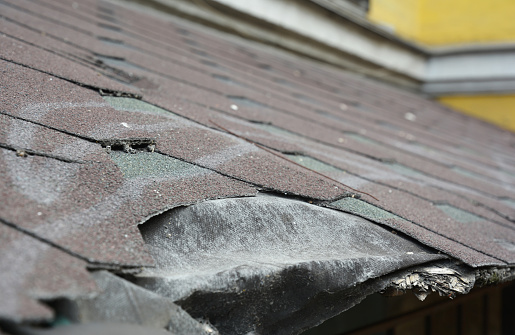
Your roof’s outer layer is the first barrier against weather. If shingles are damaged, the whole roof becomes more vulnerable. Missing shingles leave open areas exposed to rain and wind. Curling shingles no longer sit flat, which creates gaps where water can slip in. Cracked or loose shingles can lift further during a storm and expose the underlayment underneath.
This kind of damage may look minor from the ground, but it can lead to bigger problems quickly. Once water gets beneath the shingles, it can reach the roof deck, insulation, and eventually the inside of your home. The longer damaged shingles are left in place, the greater the chance of leaks, rot, and interior water damage.
Summer storms often come with strong wind bursts that can peel up already weakened shingles. If the roof has weathered several seasons of rain, heat, and moisture, small defects may now be ready to fail.
A homeowner might not notice damage until a storm has already passed, but a simple visual check can catch early warning signs. Look at the roofline from the ground and pay attention to areas that appear uneven, thin, or patchy.
What to look for:
- Shingles that are curling at the edges
- Cracked or broken sections
- Bald spots where granules have worn off
- Shingles missing entirely
- Pieces of shingle material in the yard or near downspouts
If your roof is showing this kind of wear, it is smart to repair it before summer storms put extra stress on the surface.
3. You Notice Water Stains, Peeling Paint, or Damp Smells Inside the Home
Not all roof and gutter problems show up on the outside first. Sometimes the earliest warning signs appear inside the house.
Water stains on ceilings or upper walls are a strong sign that moisture is getting in somewhere. Peeling paint, bubbling drywall, or soft spots in the ceiling can point to a roof leak or water intrusion from gutter overflow. A damp or musty smell in the attic may also suggest that moisture is trapped in areas where it should not be.
These inside-the-home warning signs often mean the problem has been happening for a while. Water can travel along beams, insulation, and hidden surfaces before it becomes visible. By the time a stain appears, the leak may have already caused damage beyond the immediate area.
This is why gutter and roof maintenance before summer storms is so important. A roof issue that seems small from the outside may already be affecting the attic, insulation, or drywall. If the gutters are clogged, rainwater may be spilling down walls or pooling near the foundation. If the roof has weak spots, water may be slipping in with every heavy rain.
What to look for:
- Yellow or brown ceiling stains
- Damp patches near upstairs rooms or exterior walls
- Paint that is bubbling, cracking, or peeling
- Moldy or musty smells in the attic
- Wet insulation or visible moisture on rafters
If you notice any of these signs, do not wait. Interior water damage usually means the roof or gutter issue is already active and needs prompt attention.
4. You See Moss, Algae, Debris, or Blockages Building Up
A clean roof and gutter system works better. When moss, algae, leaves, twigs, and other debris collect on the roof or in the gutters, they trap moisture and create the perfect conditions for deterioration.
Moss is especially troublesome because it can grow into roofing materials and hold water against the surface. Over time, that retained moisture can weaken shingles and contribute to rot. Debris in gutters can block drainage and cause water to back up, spill over, or sit too long in one area. That standing moisture increases the risk of rust, sagging, leaks, and edge damage.
Before summer storms, this buildup becomes even more important to address. A clogged gutter system is far less likely to handle a sudden heavy rain. A roof covered in moss or debris may also become more slippery and fragile, making it harder for water to flow off the surface naturally.
If your roof has shaded areas, it may be even more prone to moss growth. Trees nearby can also drop debris that settles into valleys, edges, and gutters. What starts as a small patch can spread and create long-term maintenance problems if ignored.
What to look for:
- Moss on shingles or roof edges
- Dark streaks or algae stains
- Leaves, sticks, and dirt packed into gutters
- Debris collecting in roof valleys
- Water sitting instead of flowing freely after rain
Regular cleaning and maintenance can help prevent these issues from turning into bigger roofing and drainage problems.
5. Your Roof and Gutters Are Aging and Haven’t Been Checked in a While
Sometimes the biggest warning sign is not a visible problem at all. It is age.
If your roof and gutters have not been inspected in several years, they may already be overdue for maintenance even if everything looks fine from a distance. Roofing materials naturally wear down over time. Gutter fasteners loosen. Sealants dry out. Shingles lose their protective surface. Small gaps can develop around flashing, vents, chimneys, and edges.
Older systems are especially vulnerable before summer storms because they have less flexibility to handle sudden weather changes. What would have been a minor issue in a newer system can become a leak or failure in an aging one.
Many homeowners assume that if nothing is leaking right now, the roof is fine. But storm damage often starts with hidden wear, not obvious failure. A roof can look acceptable while still having weak points that will only show up when the weather turns rough.
If it has been a long time since your last inspection, it is a smart idea to have both your roof and gutters checked together. They are connected systems, so problems in one often affect the other.
What to look for:
- Roof and gutters that have not been professionally inspected in years
- Older materials with no recent maintenance record
- Repeated patch repairs in the same area
- Visible wear around flashing, vents, or edges
- Gutters that were installed long ago and have never been realigned or cleaned thoroughly
A proactive inspection now can help you avoid the stress and cost of emergency repairs during storm season.
Why Roof and Gutter Issues Get Worse During Summer Storms
Summer storms are not always gentle. They can bring intense rain, sharp wind, and fast changes in weather. That combination is hard on any home, but it is especially stressful for roofing and drainage systems that already have weaknesses.
When gutters are blocked, rain has nowhere to go. When shingles are damaged, wind can lift them more easily. When flashing is loose, water can slip into gaps that were barely holding up before. When debris piles up in roof valleys or gutters, drainage slows down and moisture lingers longer than it should.
The result is simple: a roof and gutter system that might survive an ordinary rain can fail during a storm.
That is why early attention matters. You are not just preparing for weather. You are reducing the chances of a small hidden problem turning into a major emergency when the storm arrives.
A Simple Homeowner Story
Imagine a homeowner who notices a little overflow from the gutters after a spring rain. It does not seem urgent, so they leave it alone. A few shingles near the back of the house also look a little worn, but there is no leak, so it gets ignored too.
Then summer storms arrive.
The gutters overflow again, but this time the rain is heavier. Water runs over the edge and splashes against the siding. Wind lifts one of the weakened shingles. A bit of water slips underneath. At first, nothing seems wrong. But a week later, the homeowner notices a stain on the ceiling upstairs. The attic smells damp. The repair now includes not only roof work, but also interior cleanup and possible insulation replacement.
What could have been a quick, affordable maintenance job becomes a much more expensive project.
That is the cost of waiting.
How to Protect Your Home Before the Storm Hits
The best way to protect your home is to stay ahead of problems instead of reacting to them. A pre-storm inspection can go a long way. Walk around your home and check for visible signs of gutter overflow, roof wear, and interior moisture issues. Look in the attic if it is safe to do so. Pay attention to anything that seems out of place, even if it feels small.
Clean out debris from gutters and downspouts. Make sure water is flowing away from the home properly. Replace damaged shingles. Repair loose flashing. Address moss growth and clogged drainage areas before they get worse.
If you are not comfortable checking everything yourself, have a roofing professional inspect the system for you. A trained eye can often spot issues that are easy to miss from the ground.
The goal is not perfection. The goal is prevention.
Final Thoughts
Your gutters and roof work together to protect your home from water damage. When either one starts showing signs of trouble, the other often feels the effect too. Overflowing gutters, damaged shingles, interior stains, moss buildup, and aging materials are all warning signs that should not be ignored before summer storms arrive.
The sooner you catch these issues, the easier and less expensive they are to fix. A little maintenance now can help you avoid bigger problems later, especially when heavy rain and wind start testing your home’s defenses.
Summer storms are coming. The question is whether your roof and gutters are ready for them.